
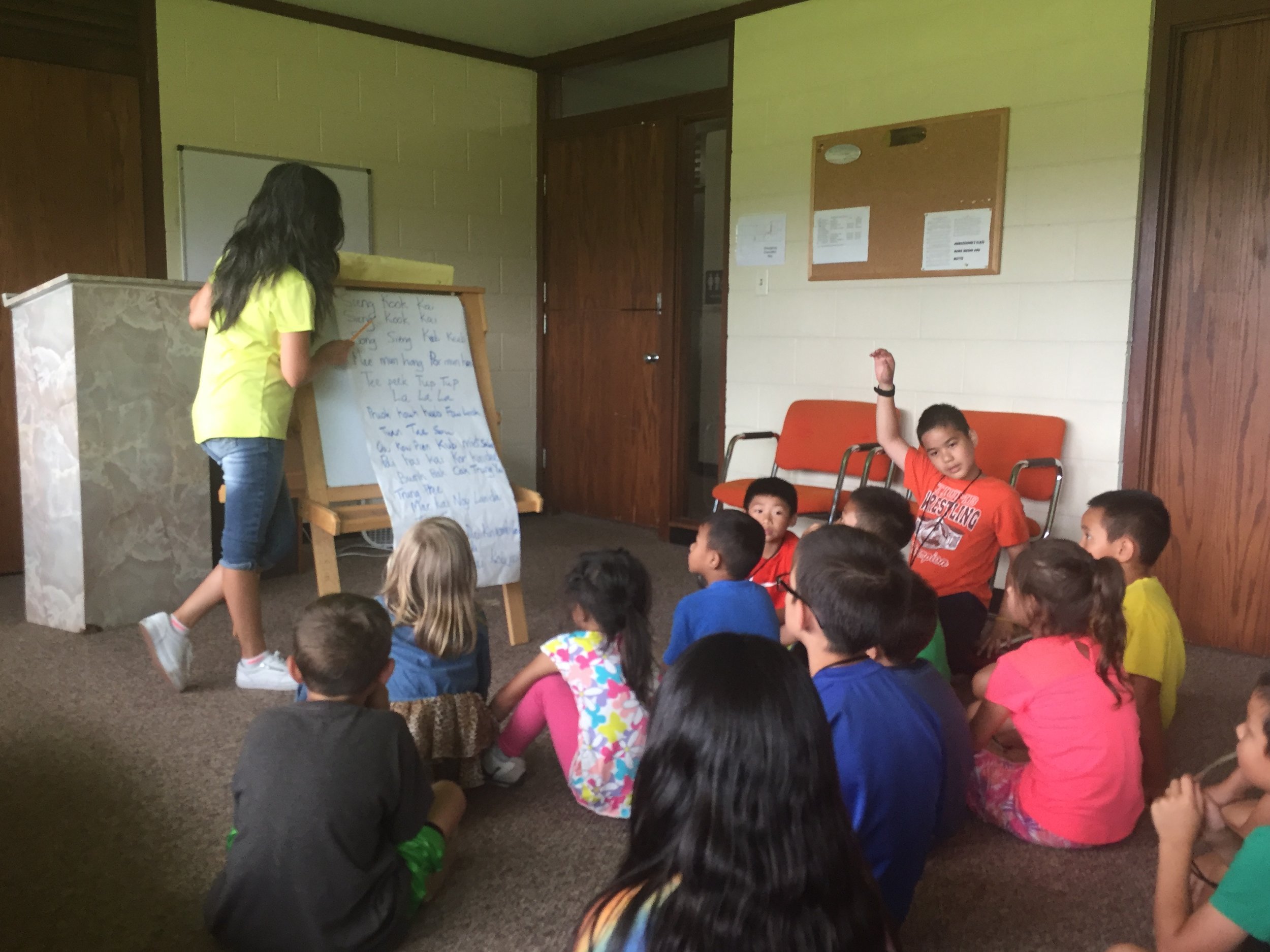
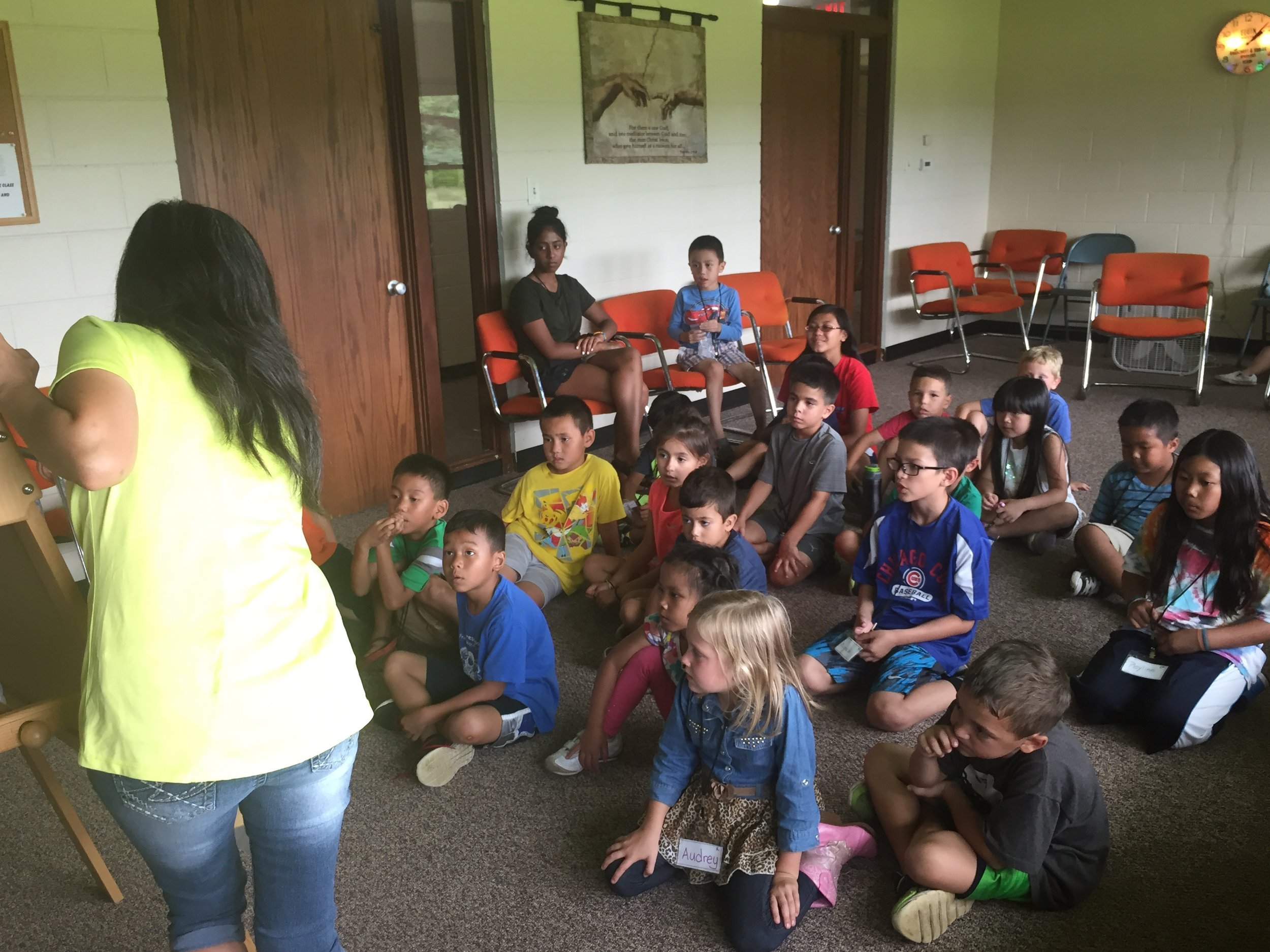
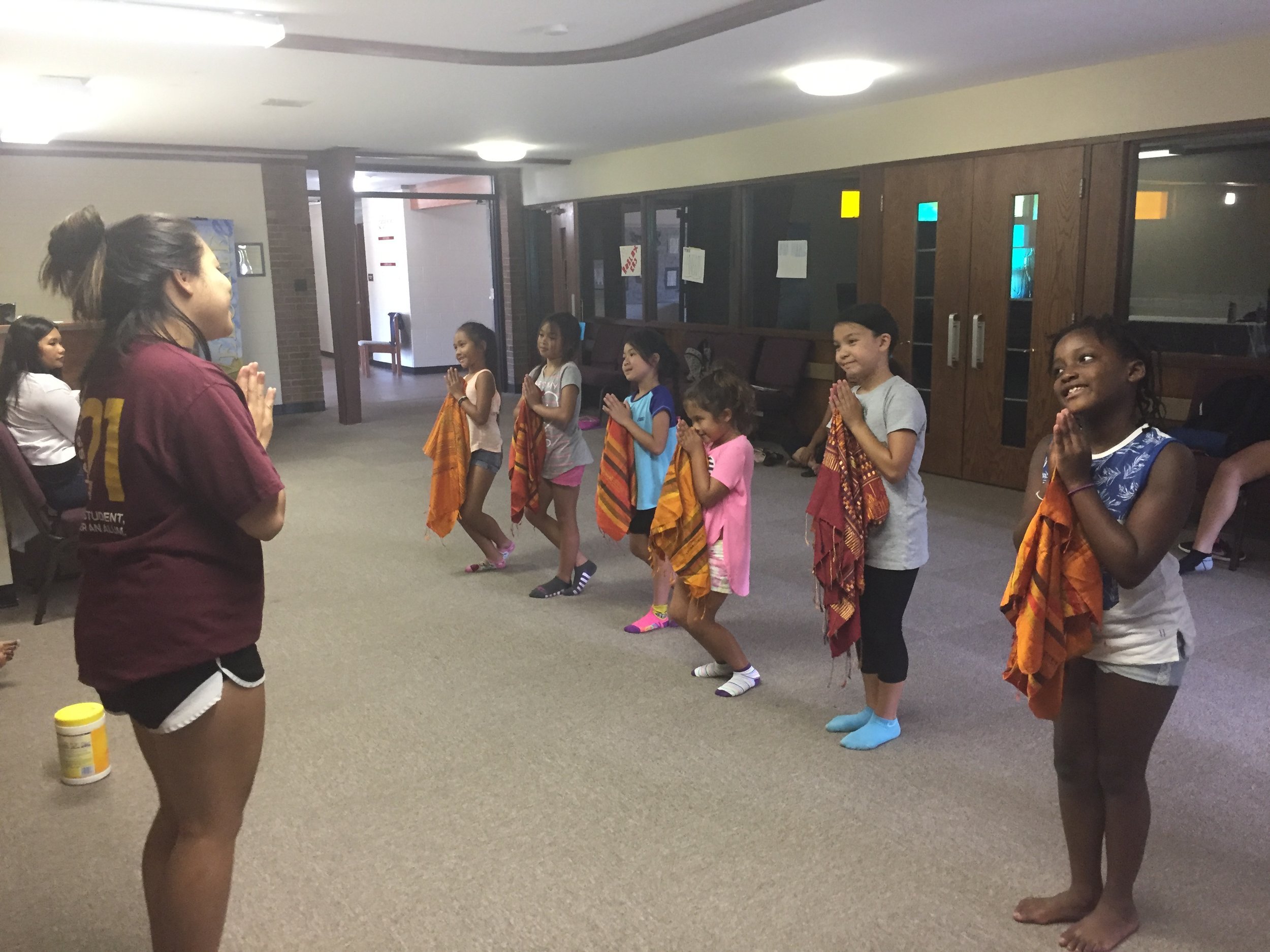
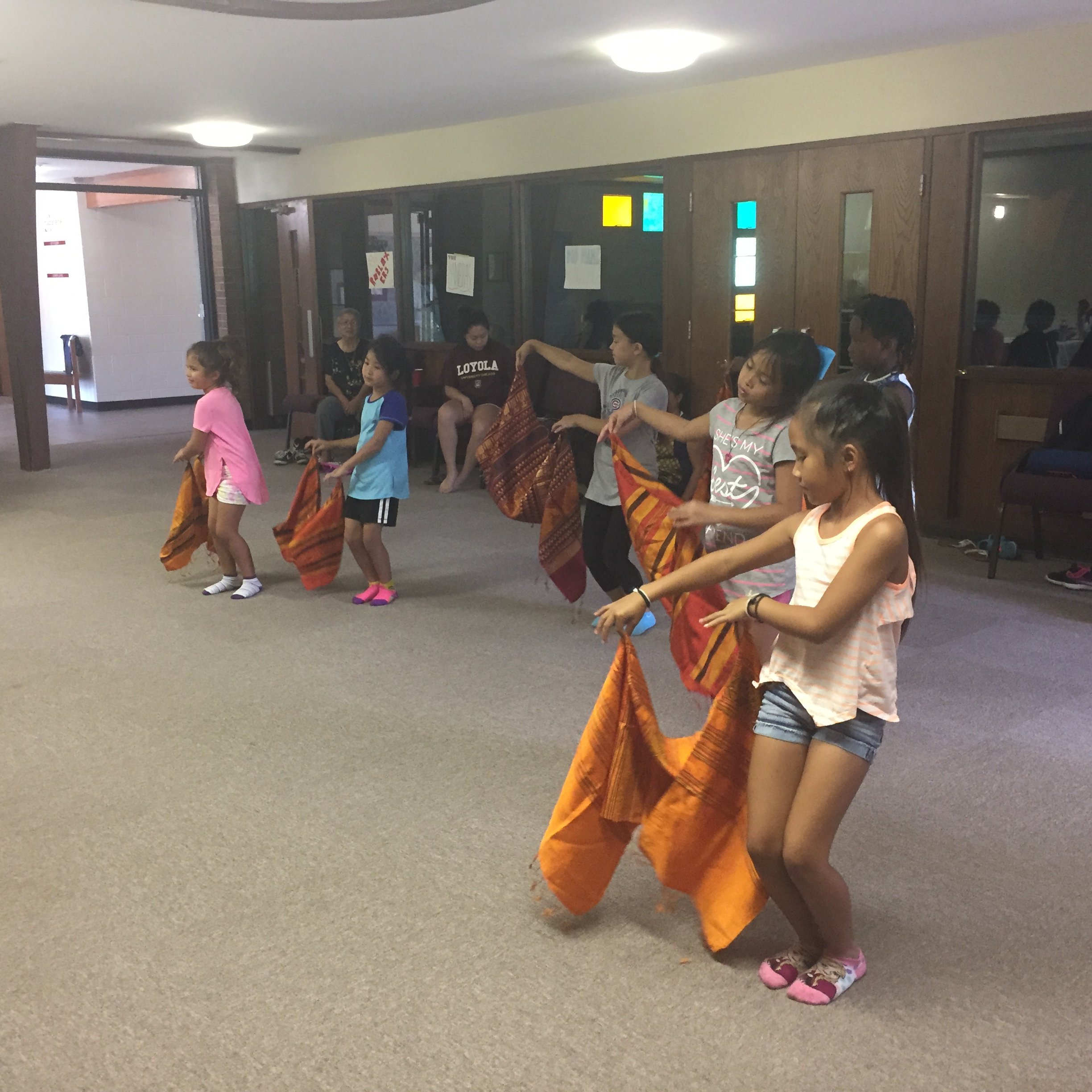
I sat at the edge of a naturally-lit room listening to more than 20 kids scattered cross-legged across the floor repeat the Lao alphabet after their language instructor, Khu Khamla Khoxayo. “Kor, Kaye. Khor, Khaye.” My eyes darted across the sheet of paper in front of me as I mouthed the letters, following along. “Tor, Ta. Thor, Thong.” This was only the second time I’d encountered the Lao alphabet in an educational setting in my entire life. I was honestly impressed that these children were taking a step toward embracing their heritage, whereas I couldn’t have cared less at that same age.
The younger generation doesn’t really understand the struggles because we don’t talk about it as a community.
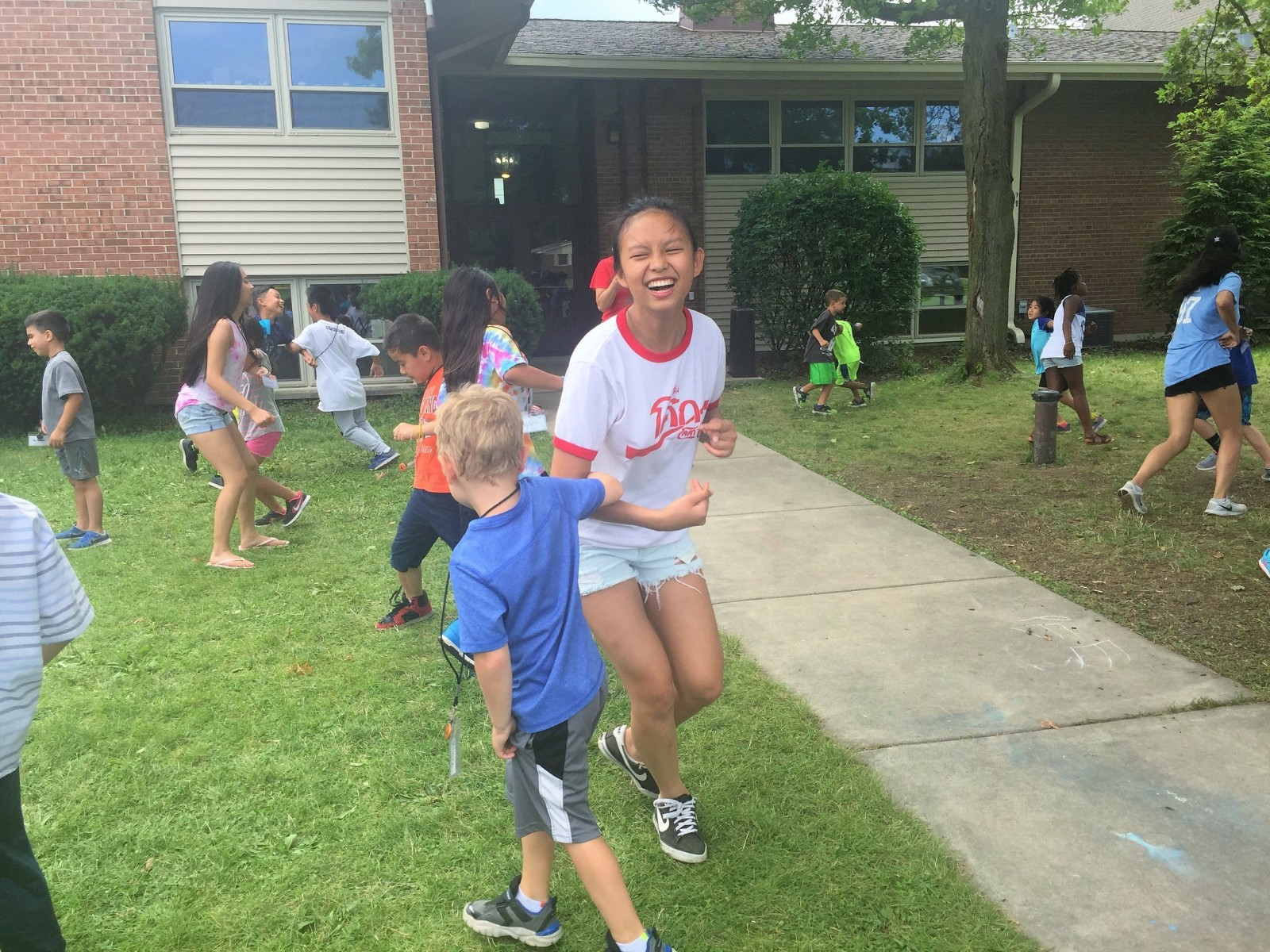
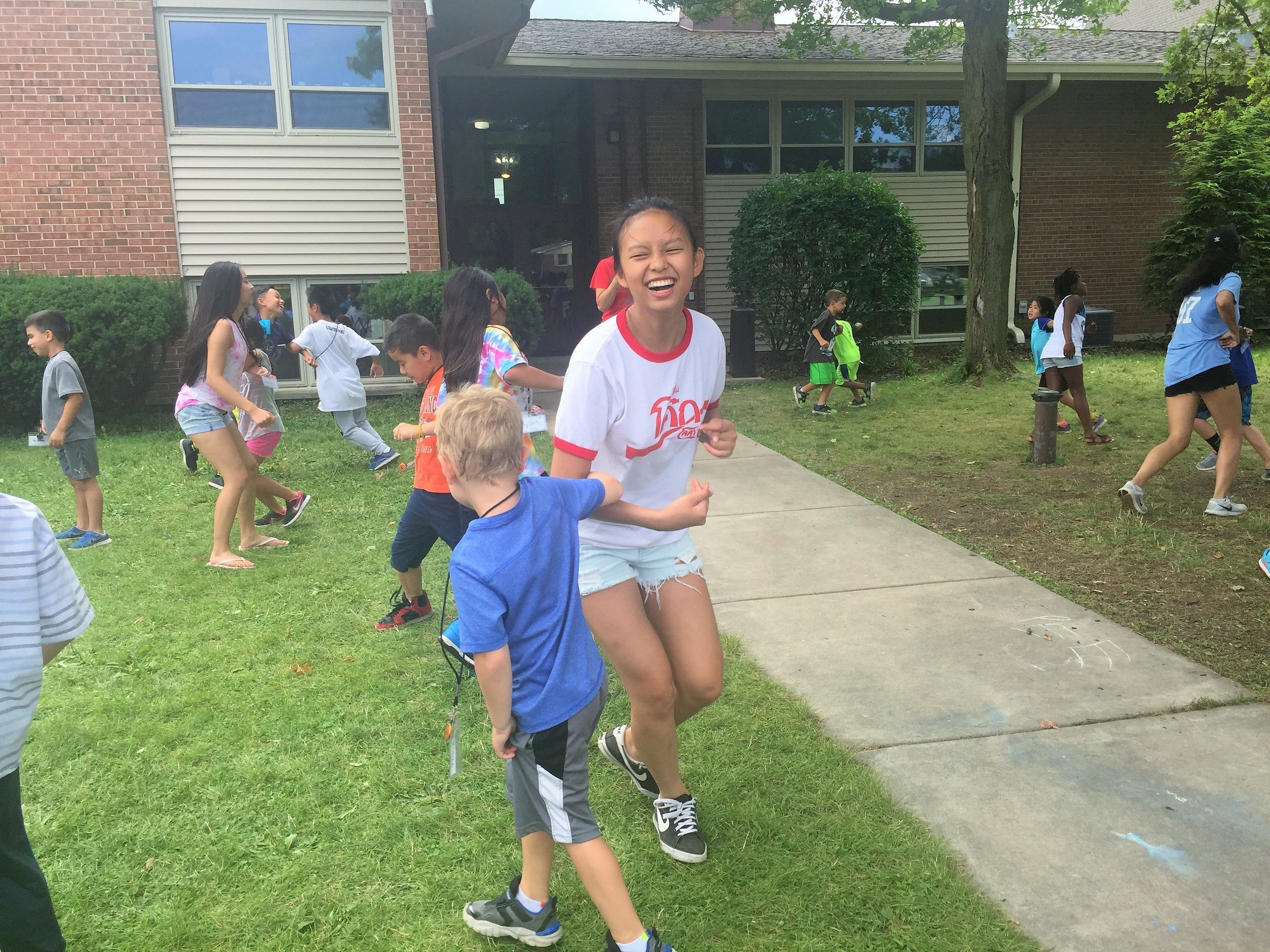
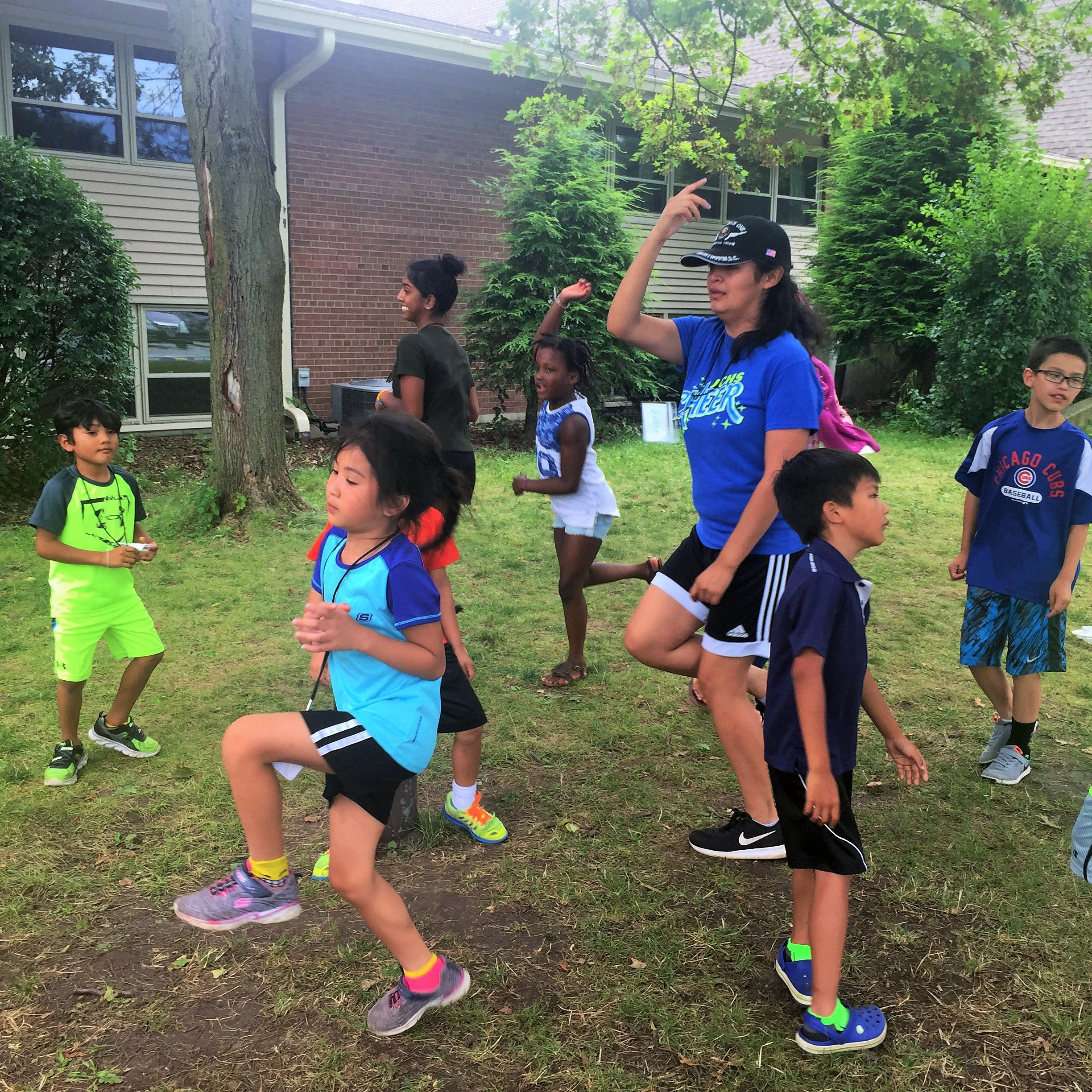
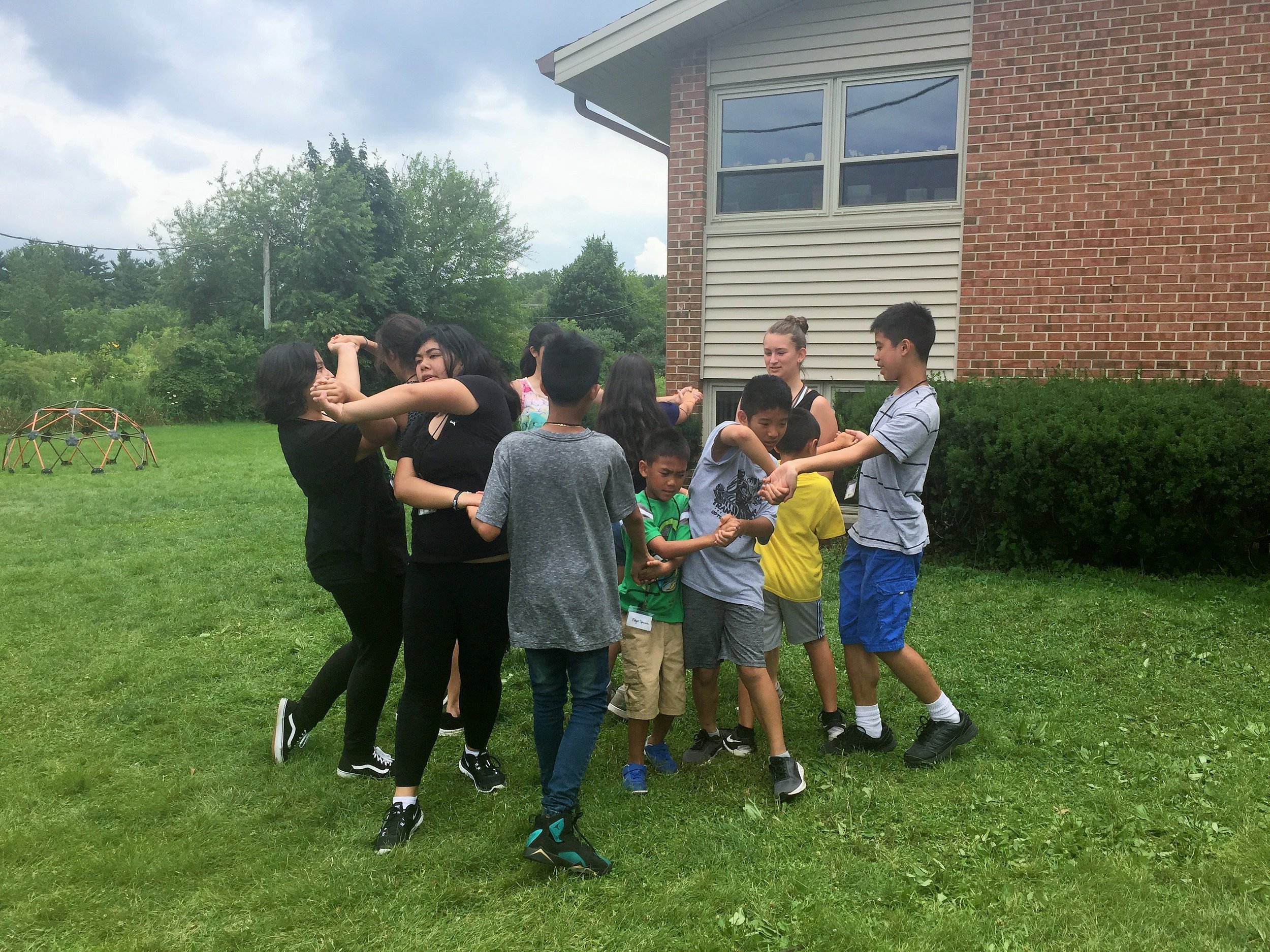
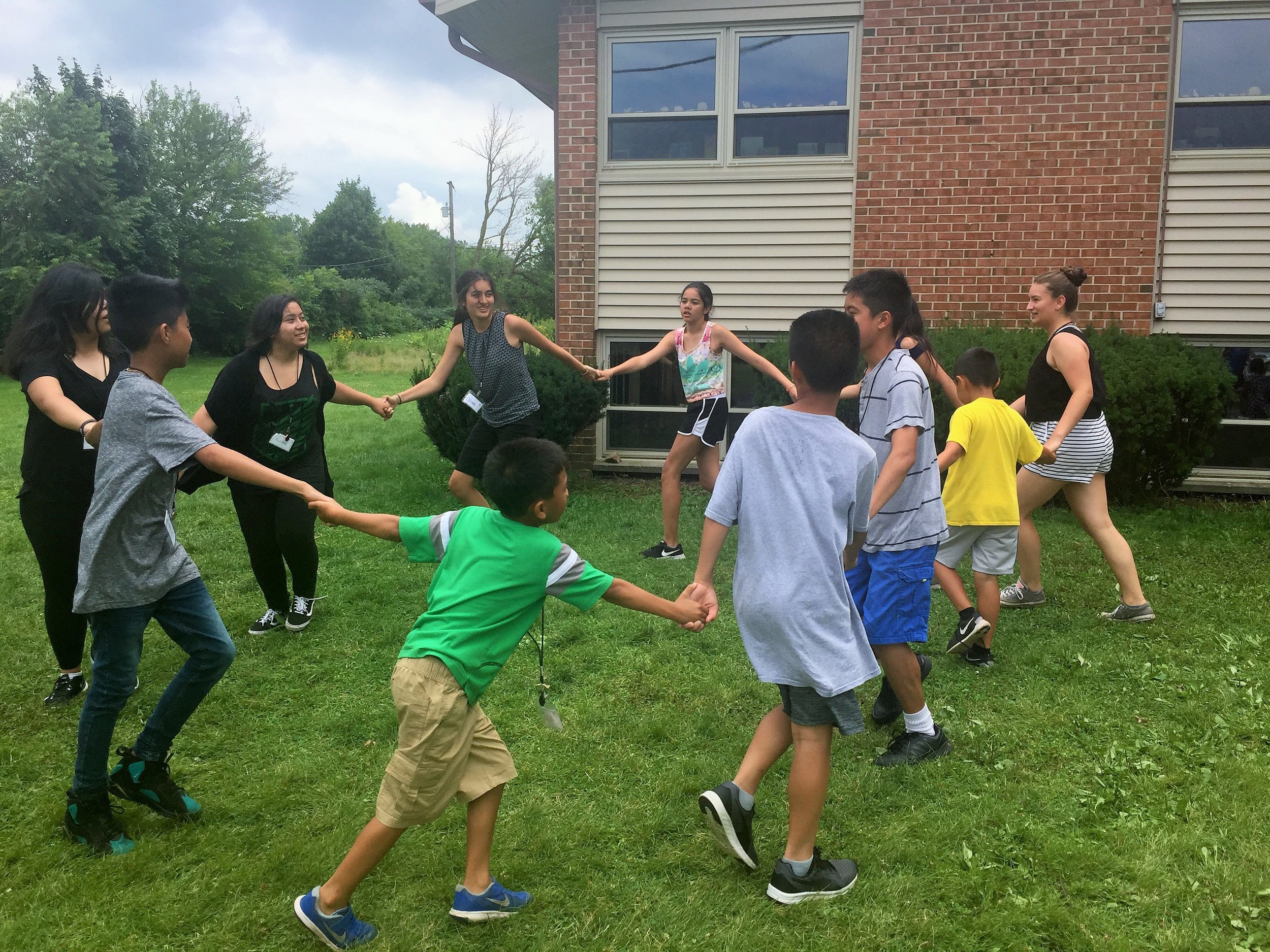
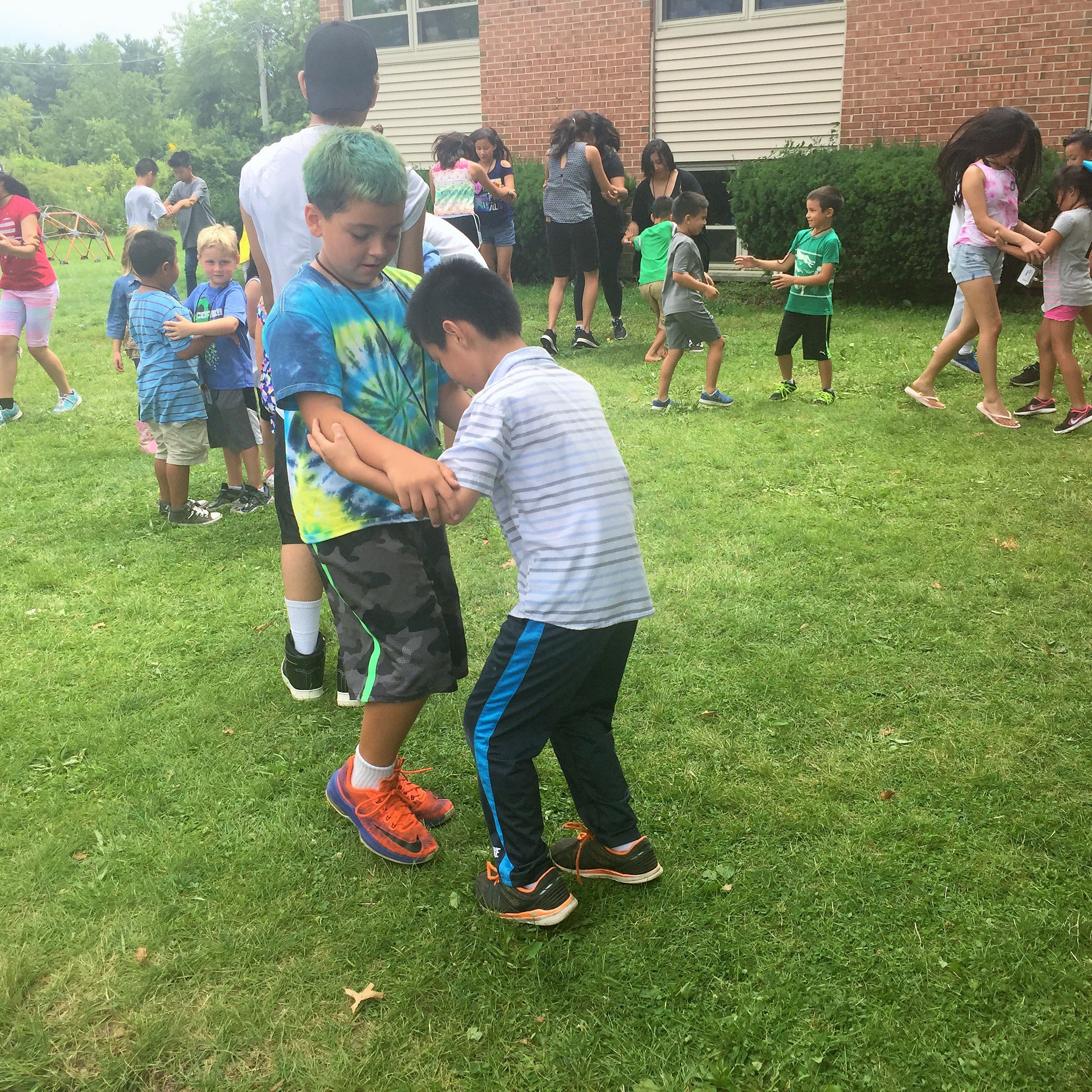
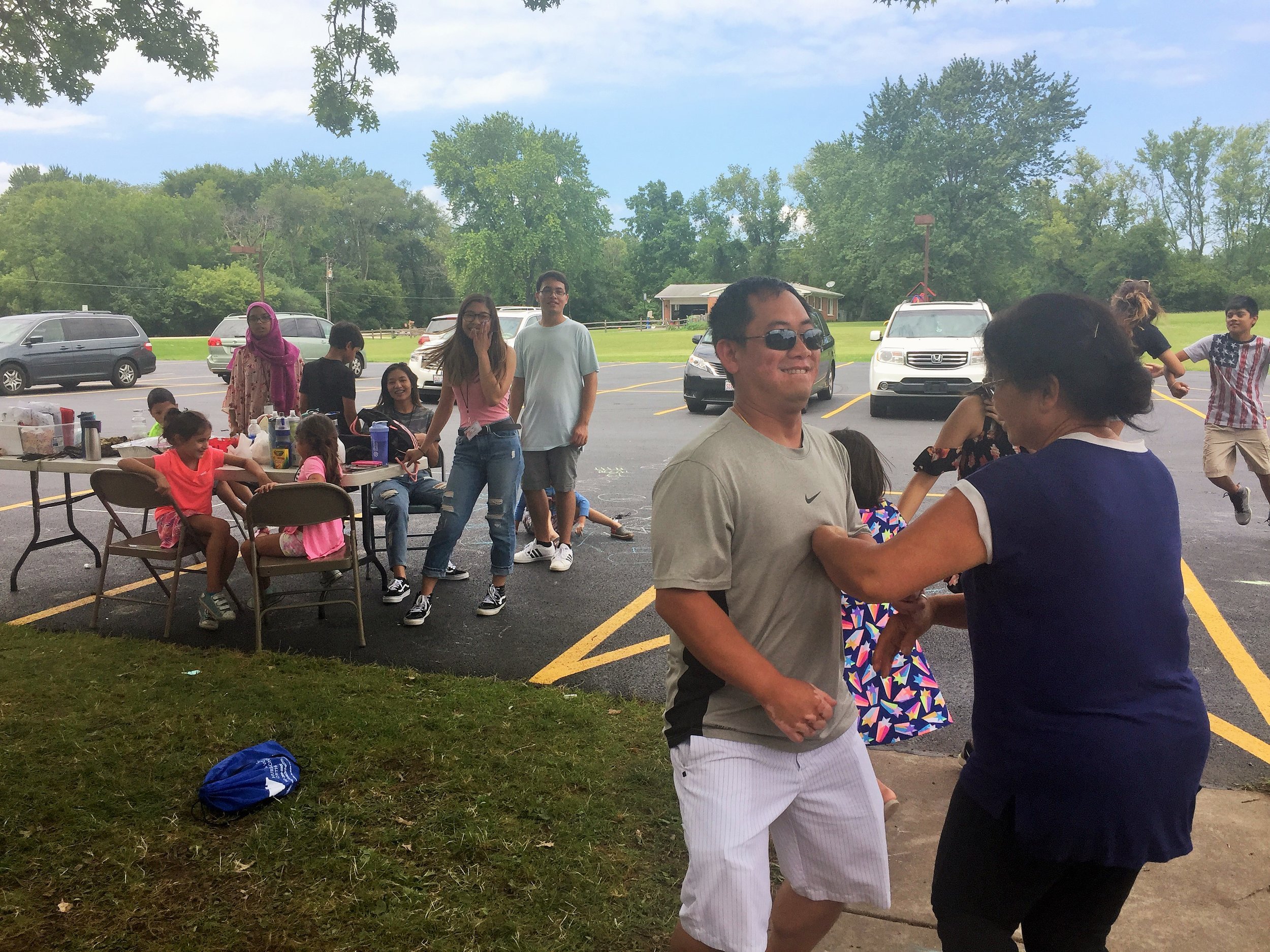
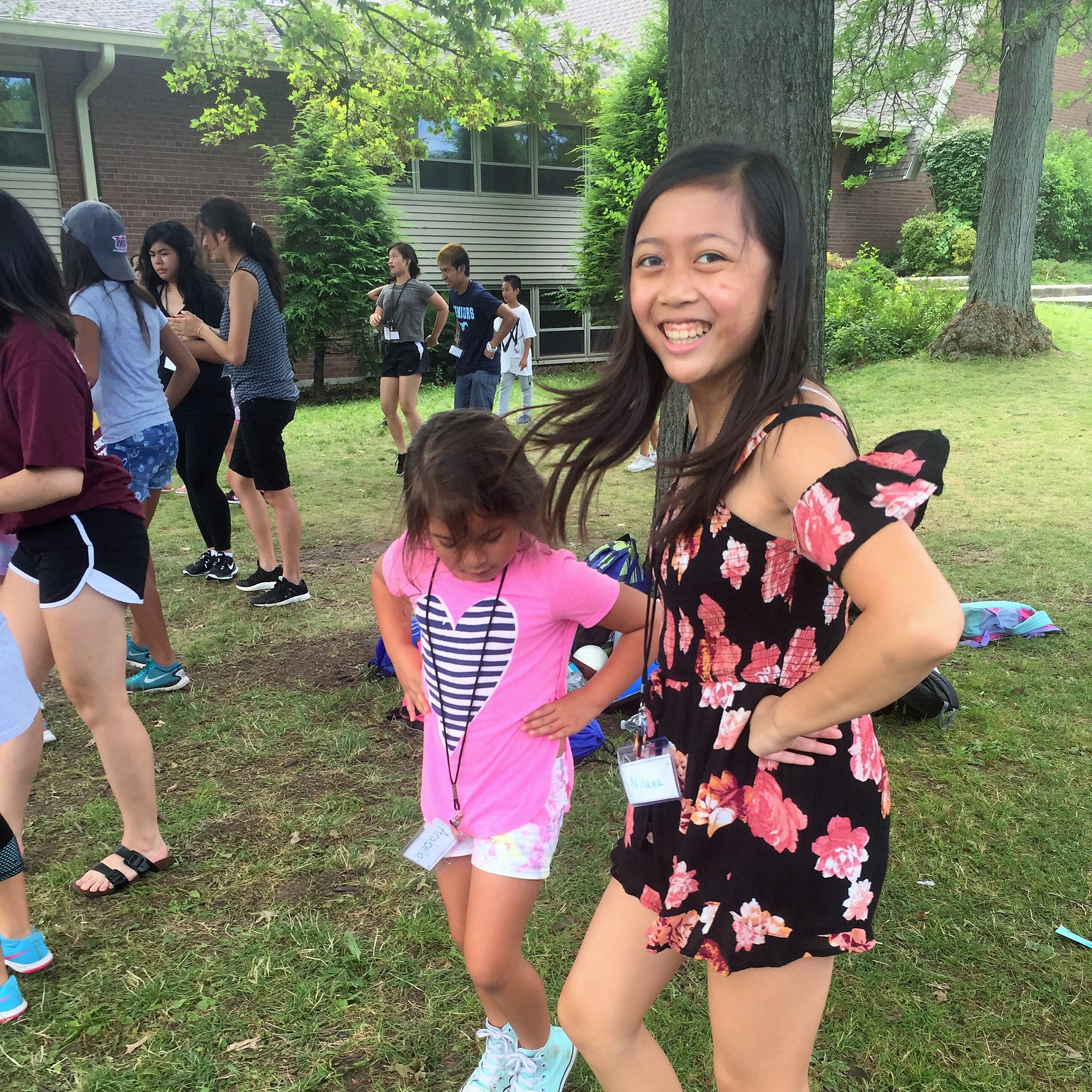
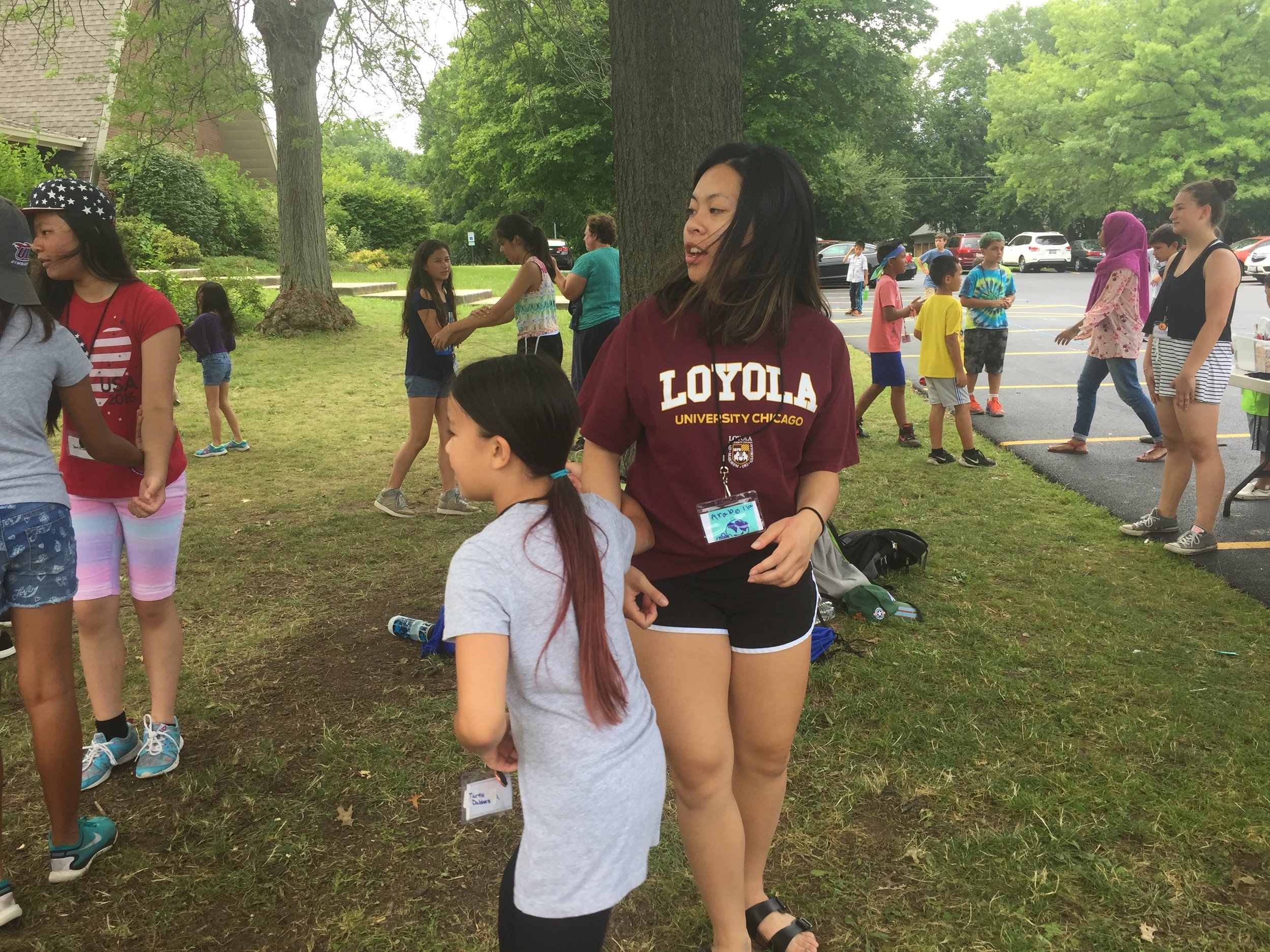
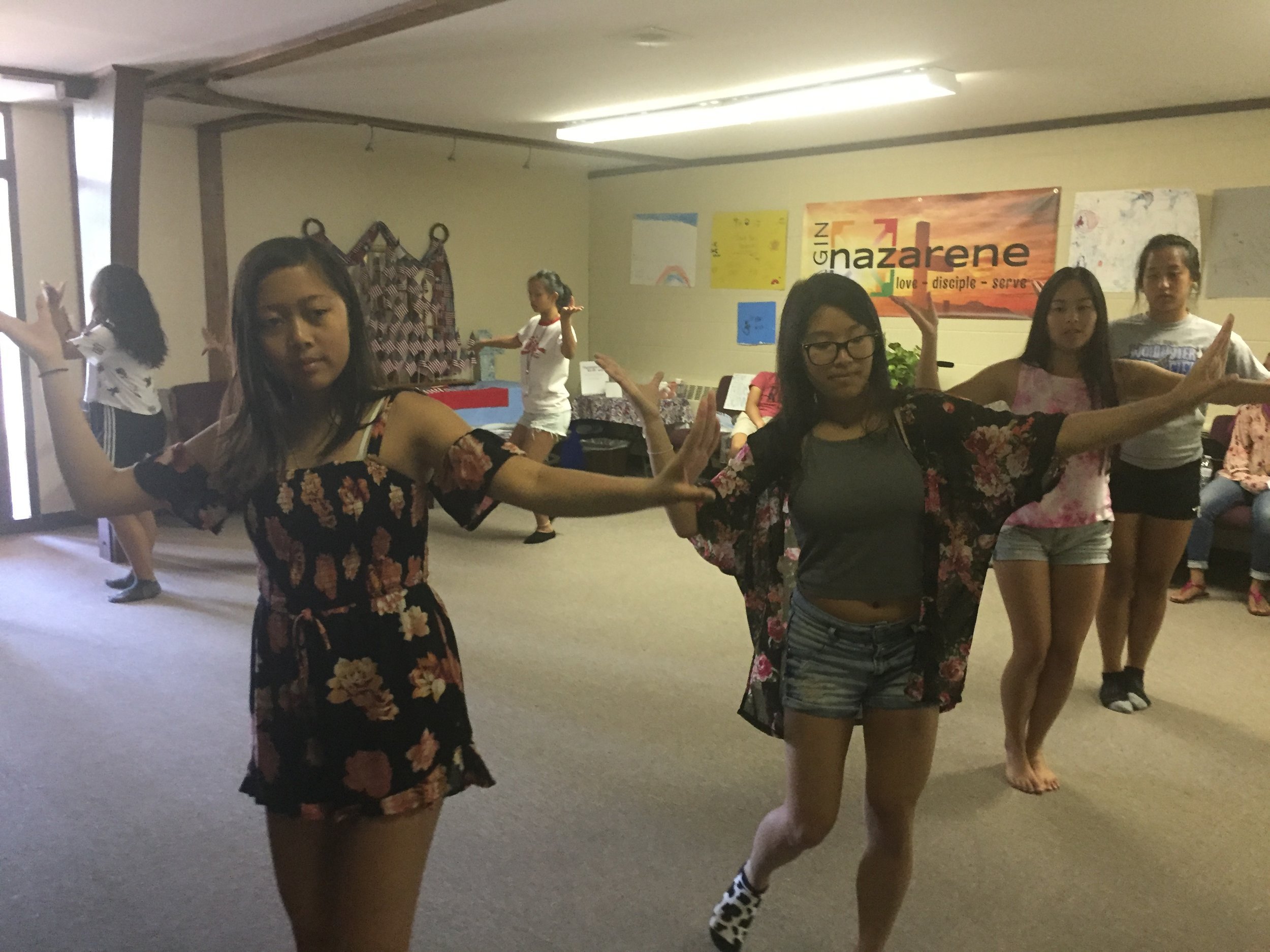
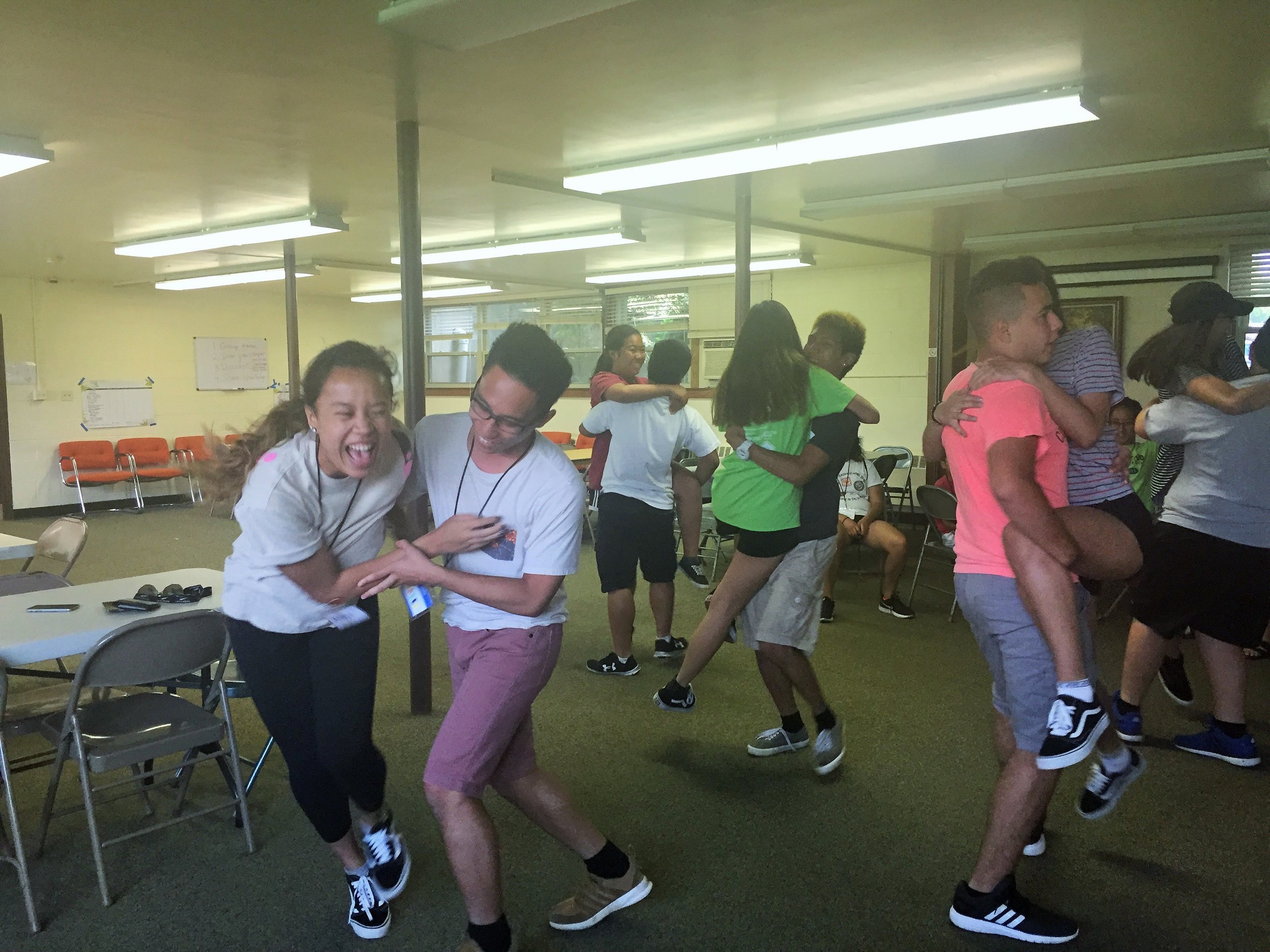
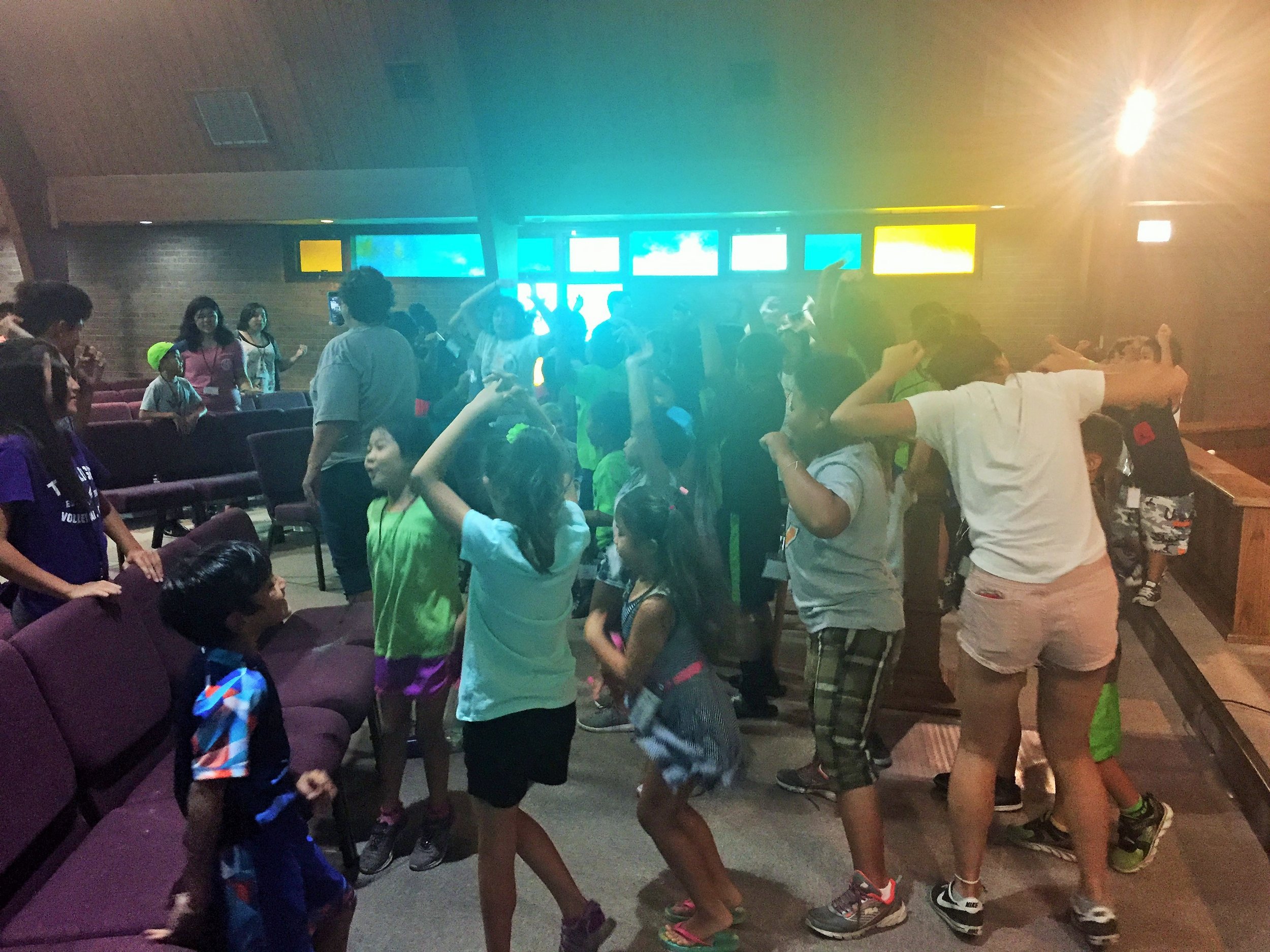
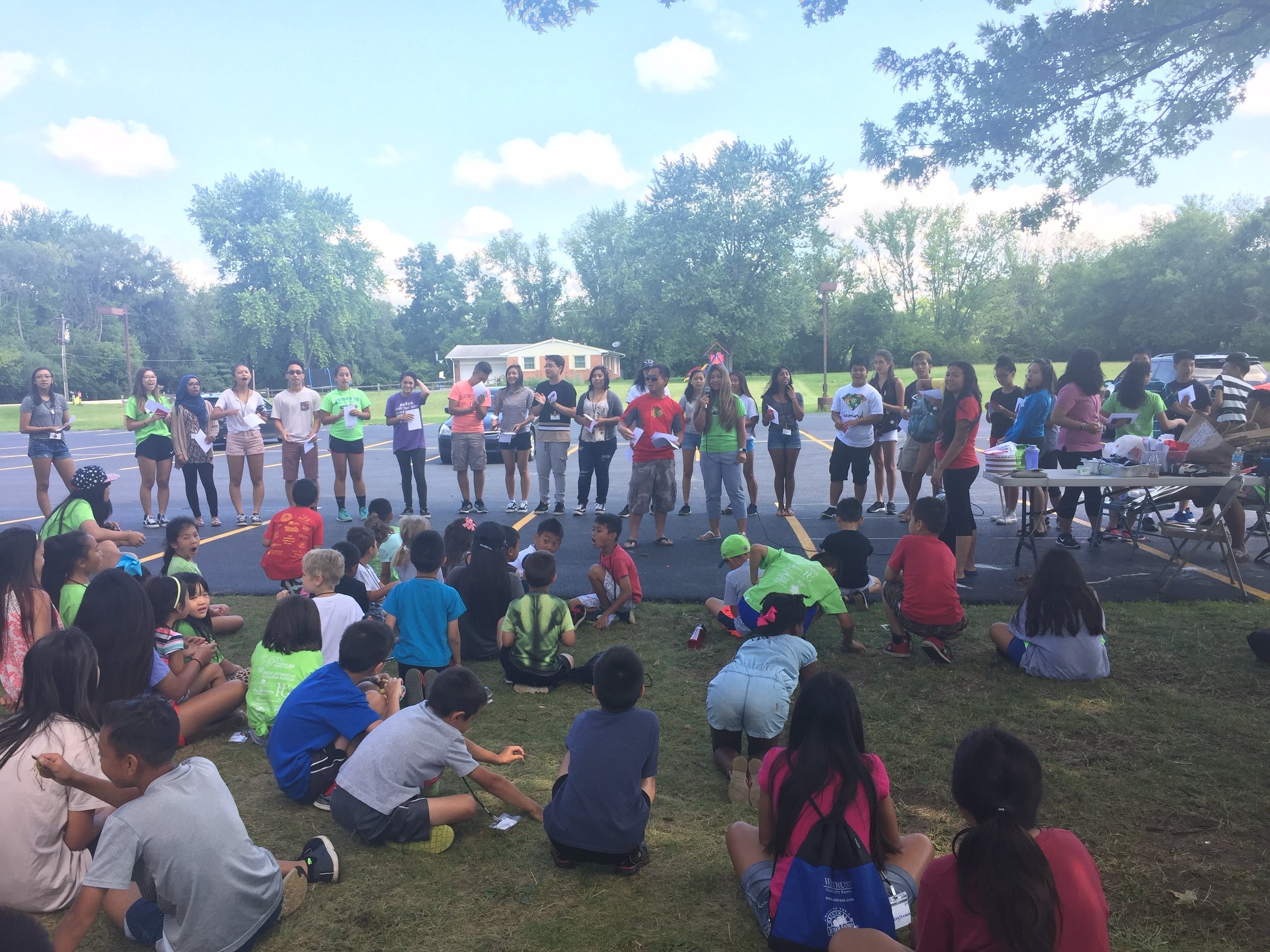
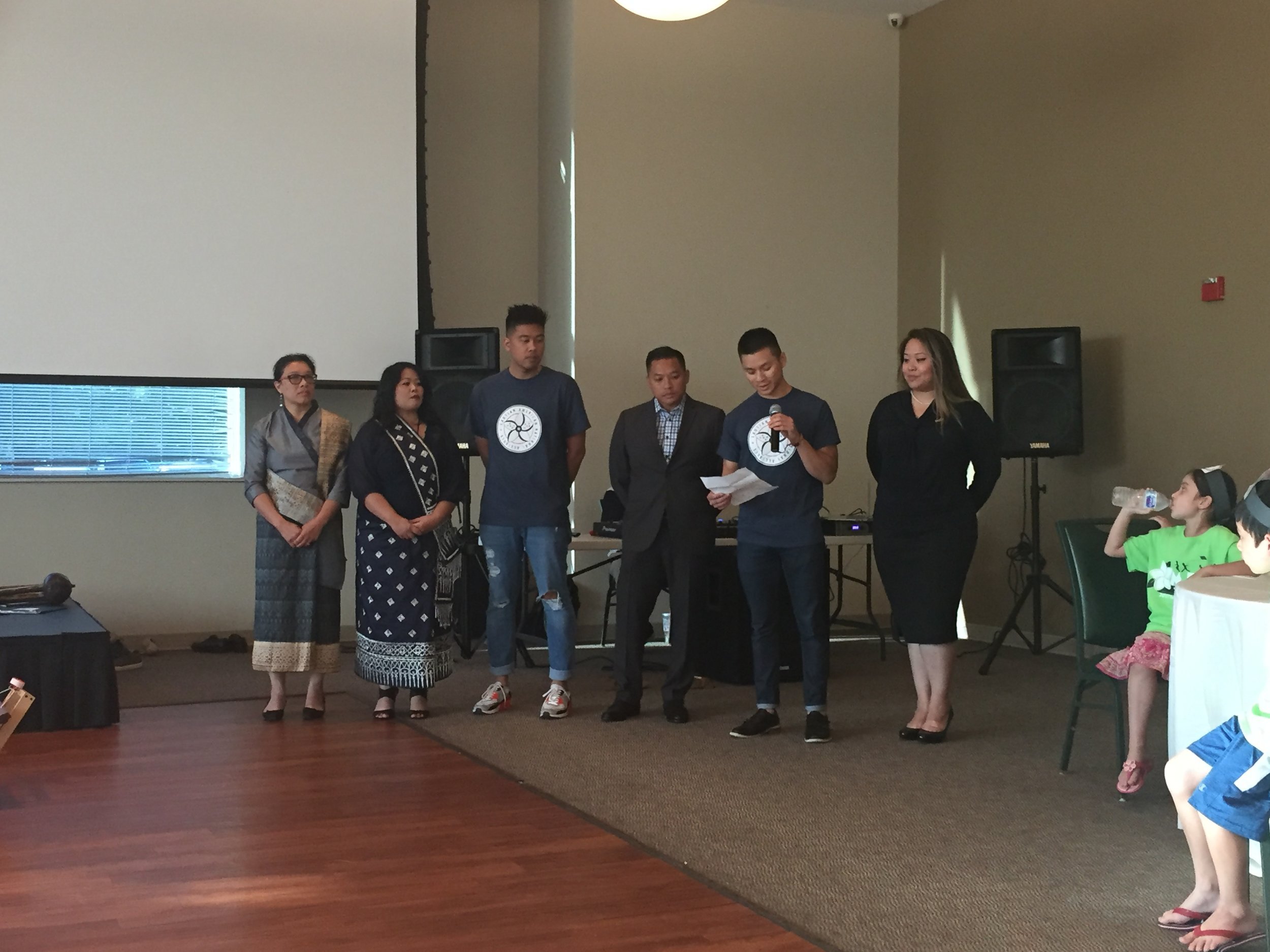
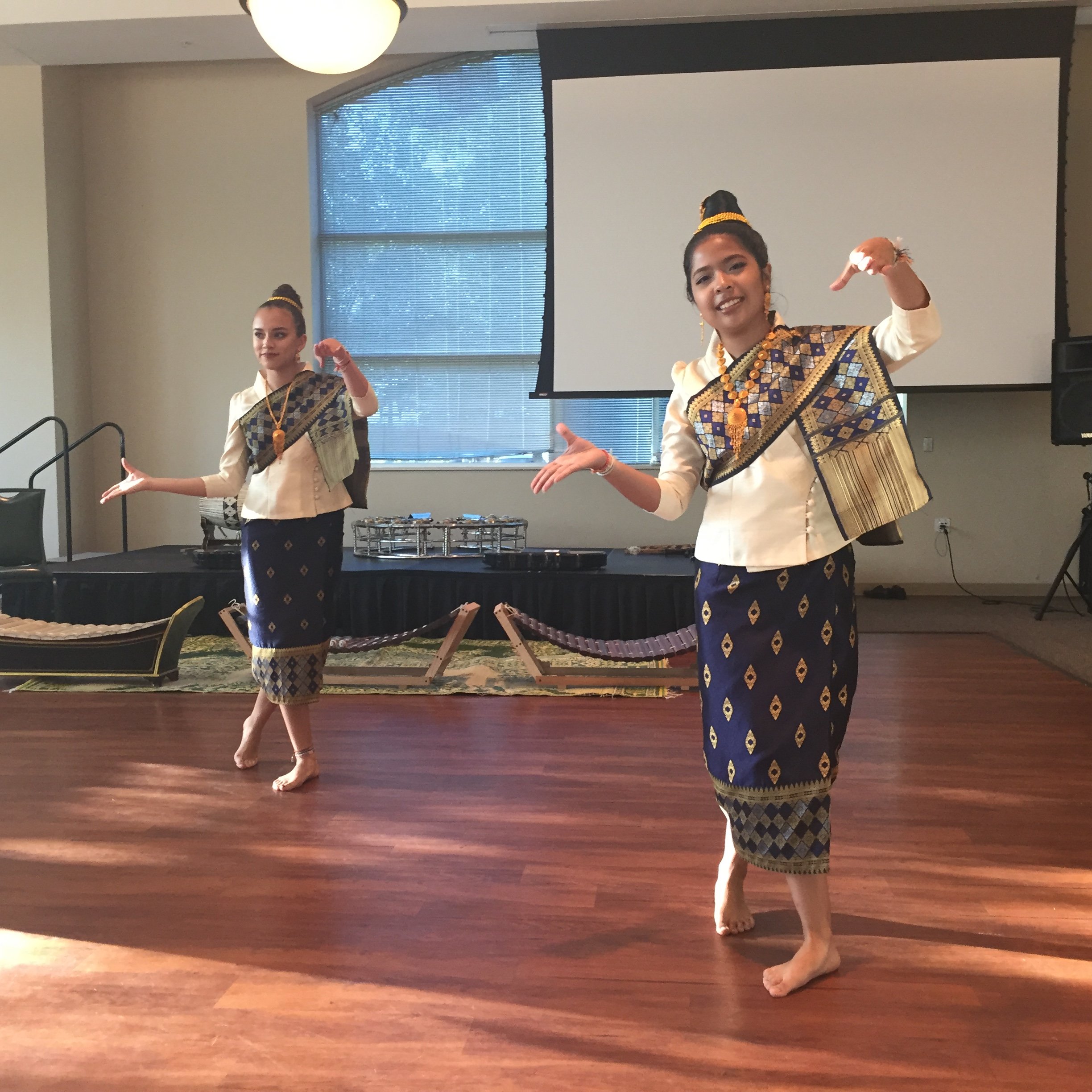
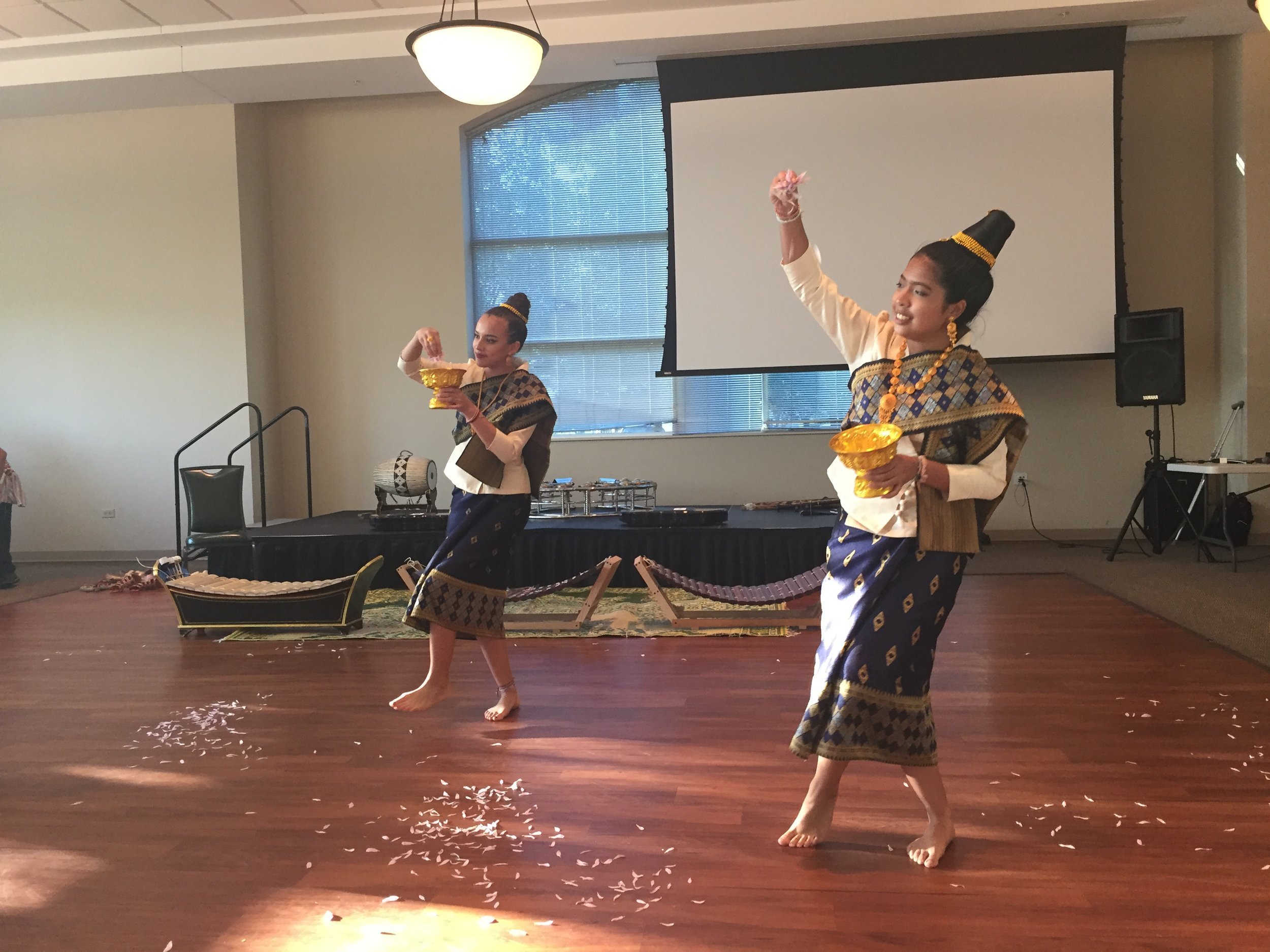
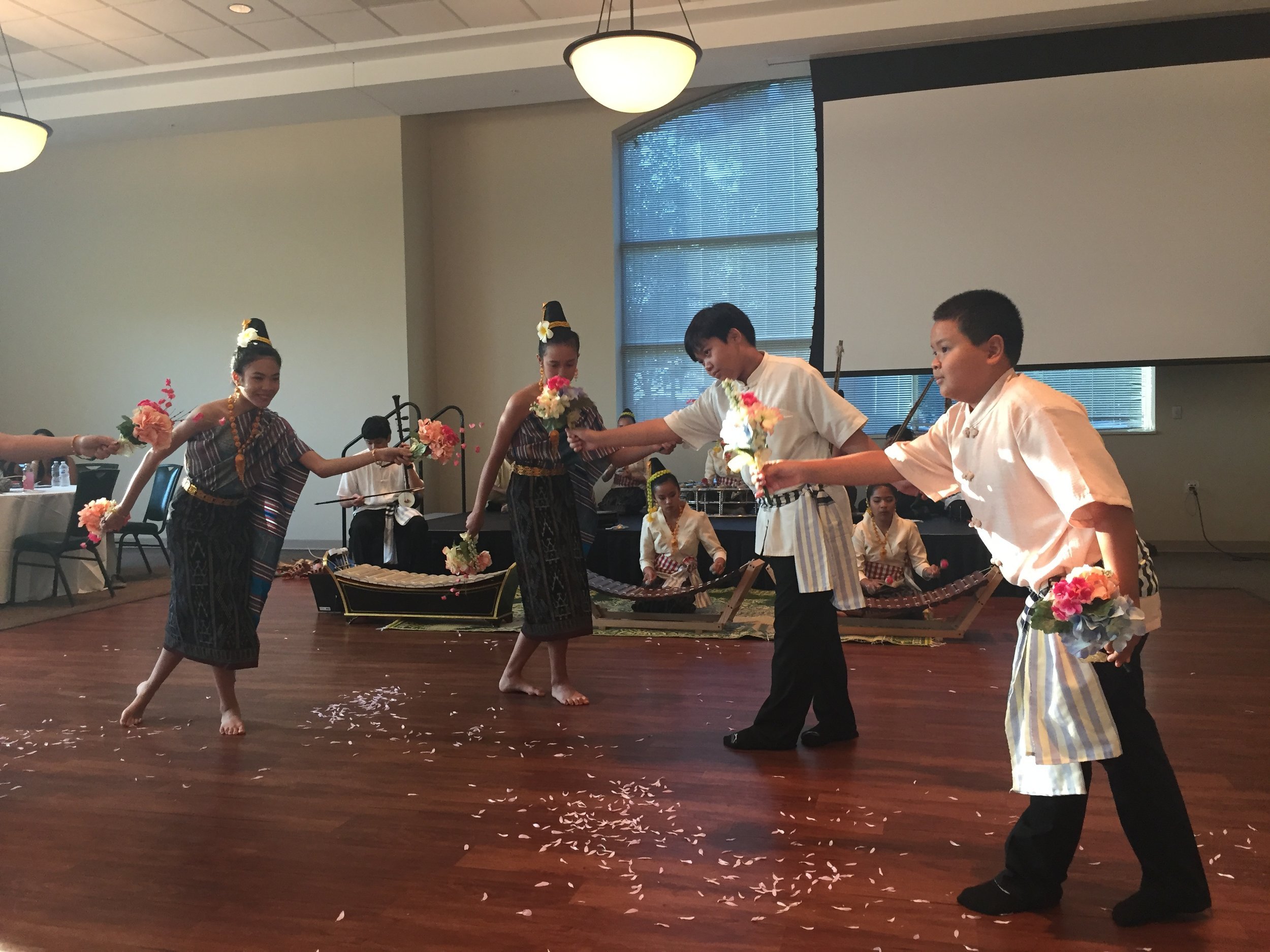
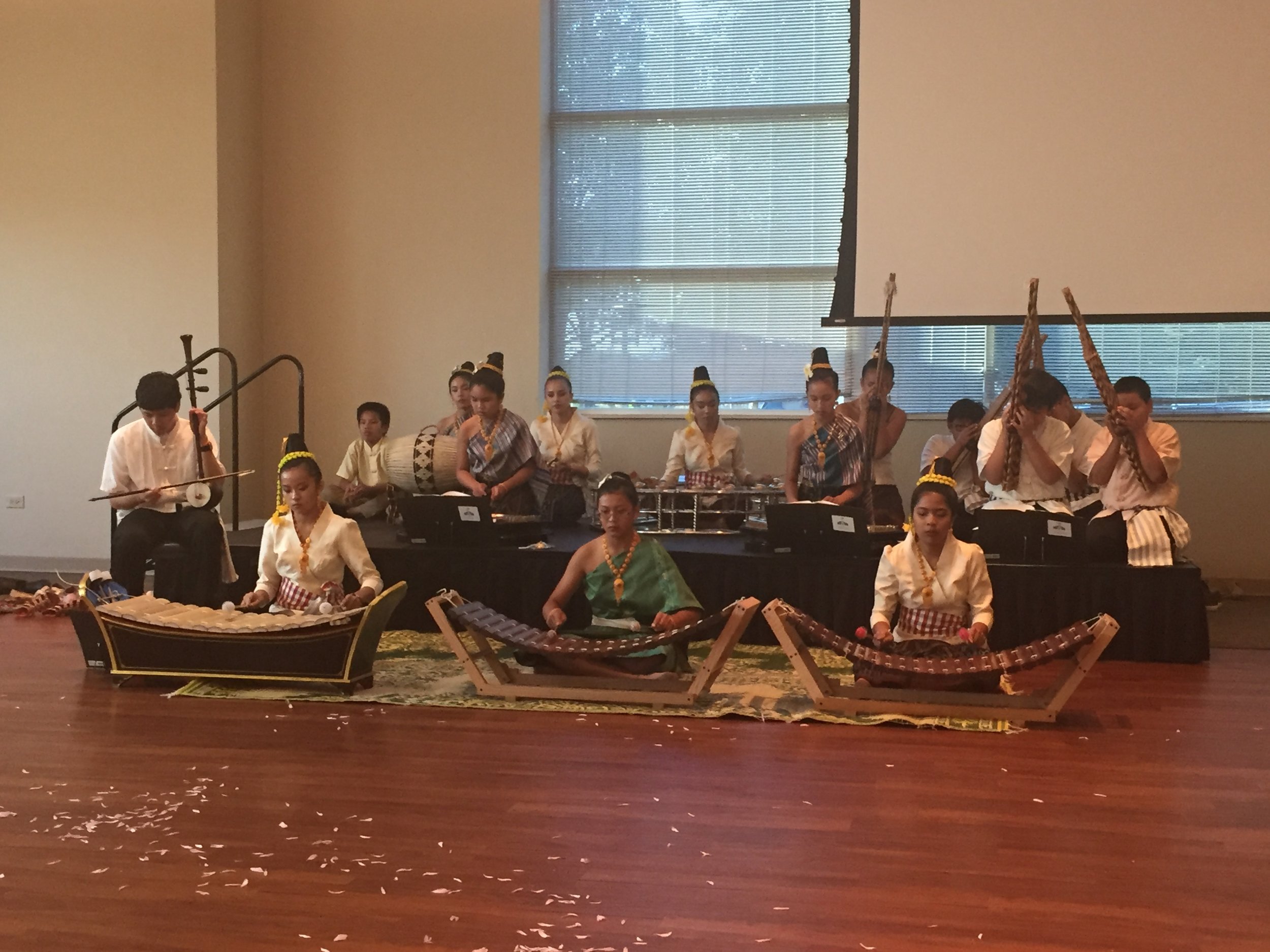
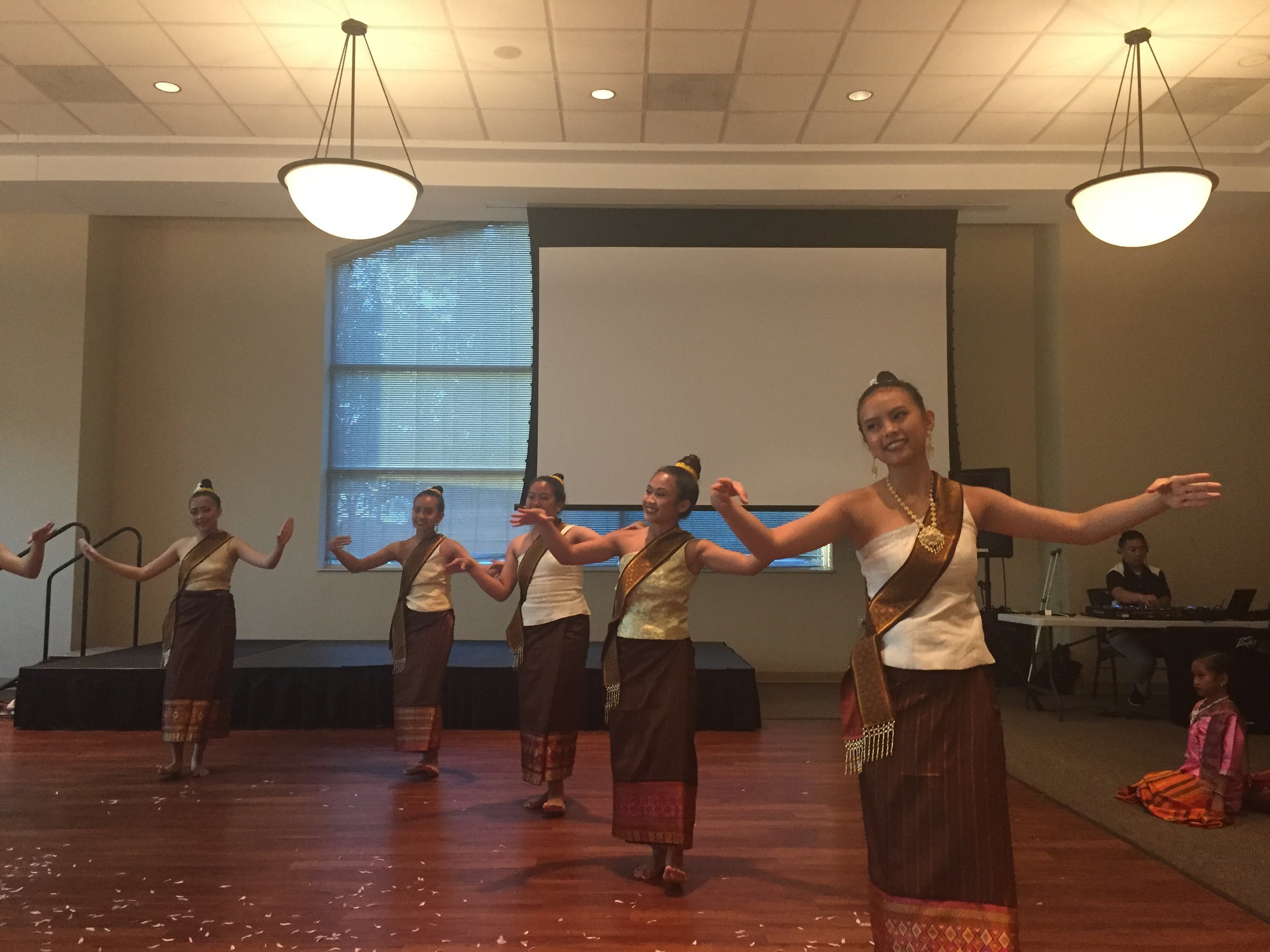
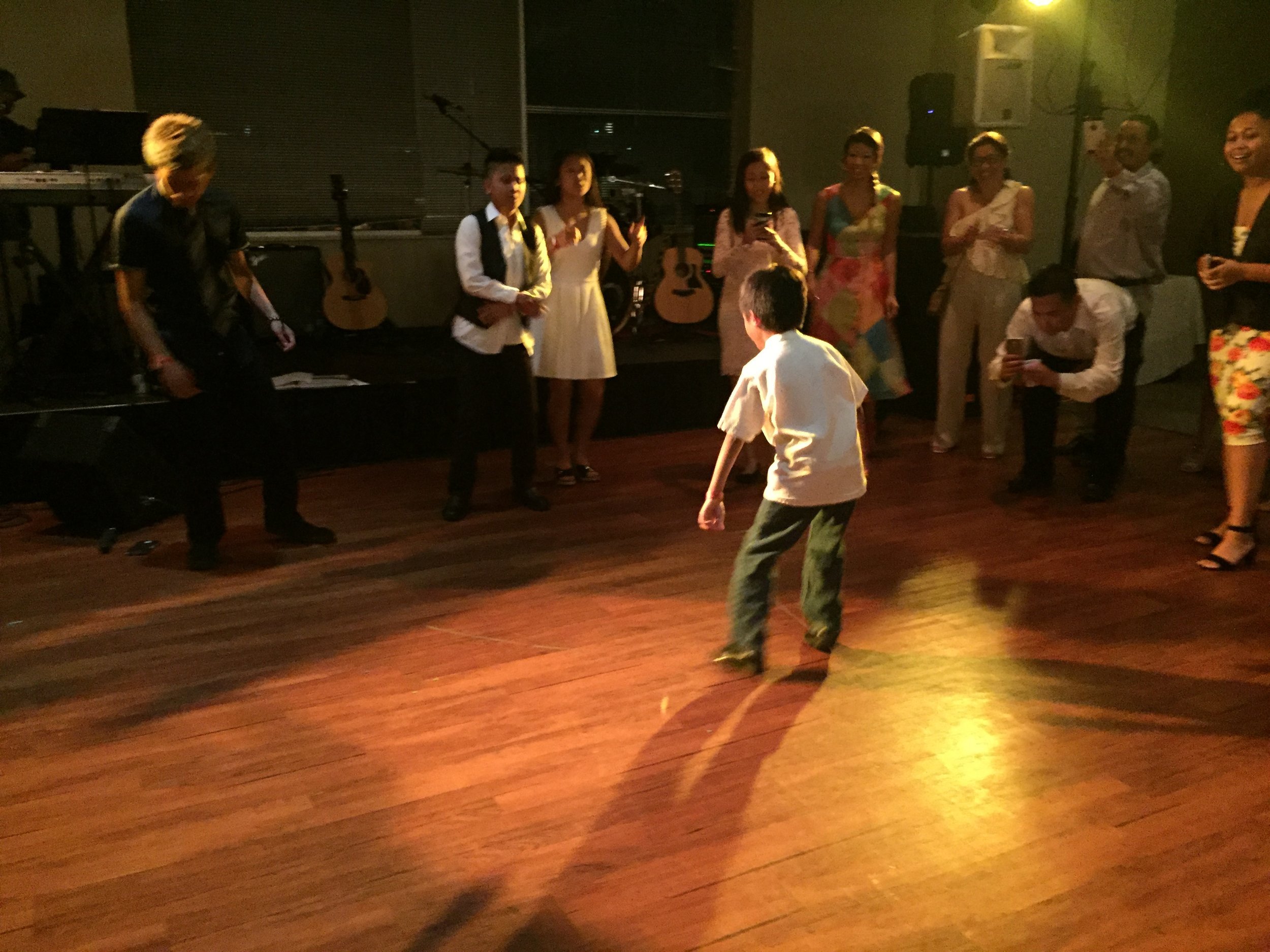
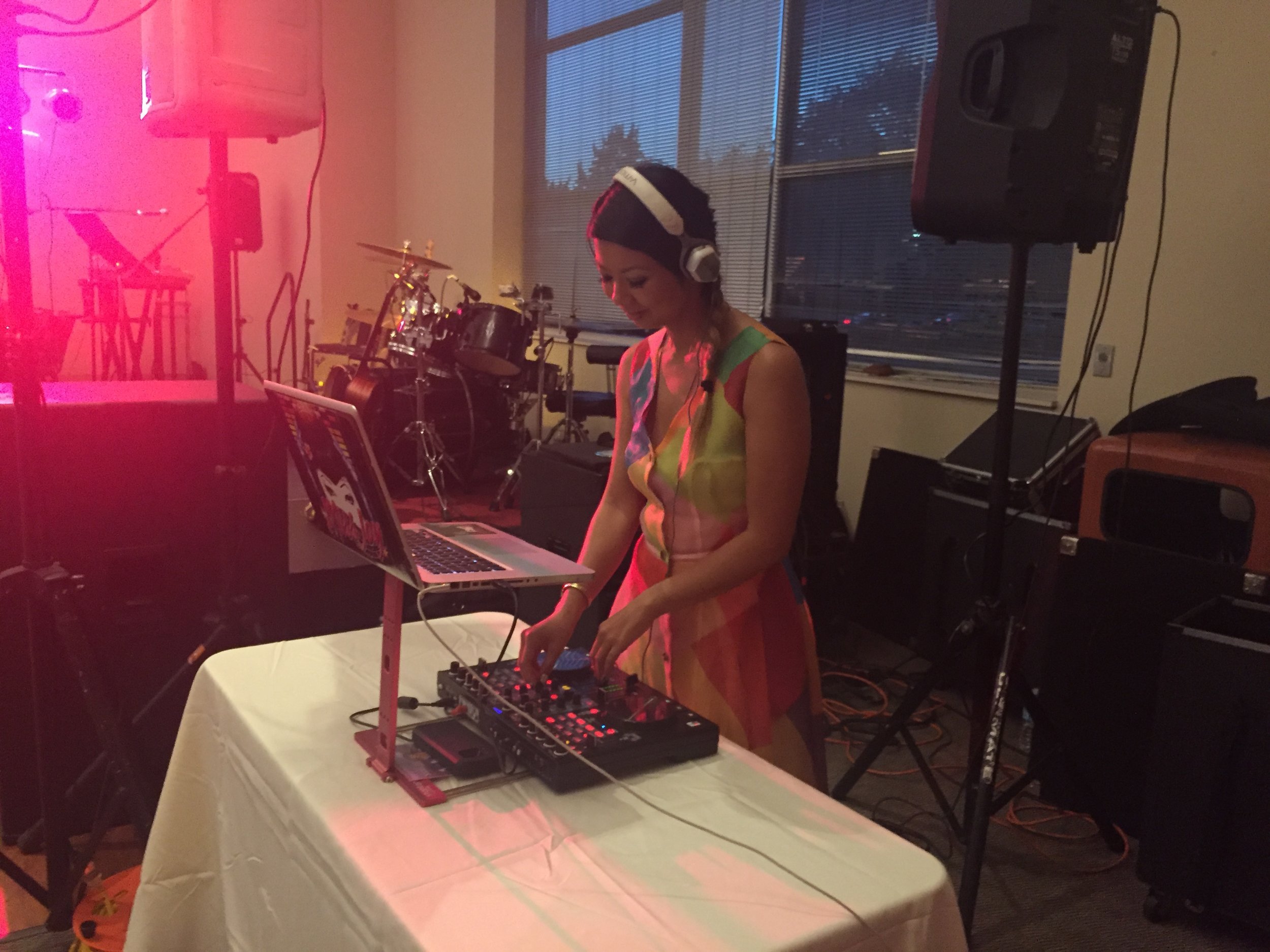
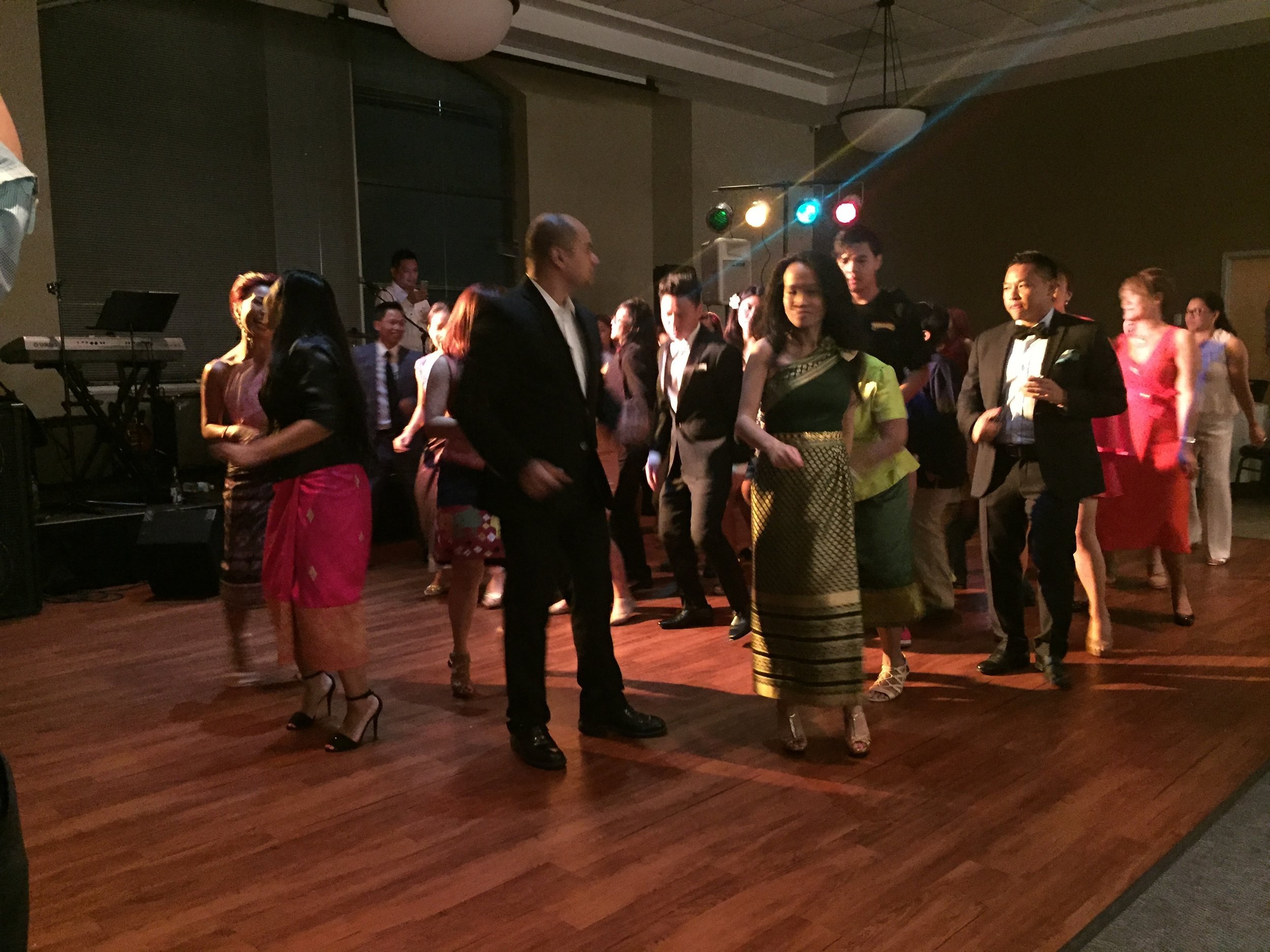
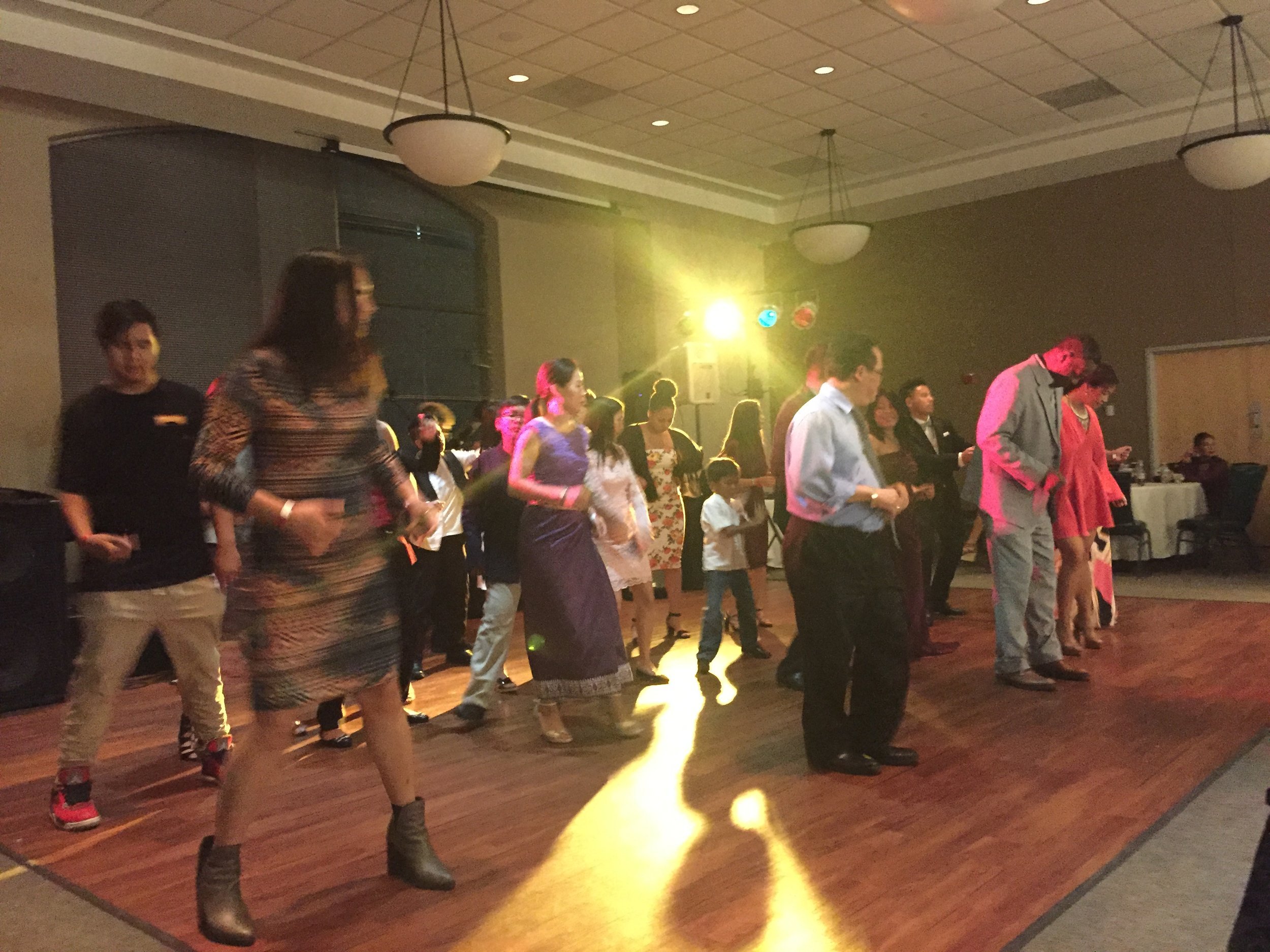
From July 27-29, I attended the last two days of the Multicultural Education Outreach Foundation (MEOF) summer camp and the 8th Annual Laotian American National Alliance Conference (LANA) in Elgin, Illinois. I observed kids lead, own their space and seemingly balance their multiple cultural identities. I watched parents and grandparents share their past and traditions with the younger generations, in the hopes that it would stick and not fade away. If anything, that weekend showed me just how important it is for Lao parents and elders to invest in educating children about their history, culture, and heritage. If not, we risk losing our identities in the homogenous melting pot that is America, and who else but us would do it?
Some of the sessions at the LANA conference attempted to address and discuss these cultural, generational and familial gaps that hold these efforts back. Jonathan Vorasane, LANA board member, said he and the team sat down to figure out what issues affected the Lao community in order to create a program that would be beneficial for all backgrounds and ages.
“One of the topics that came up was, ‘How do we really bridge the gap between the younger generation and the older generation that immigrated here that were refugees?’” Vorasane said. “The younger generation didn’t really understand the struggles because that story wasn’t shared. The grandparents didn’t share it, the parents didn’t share it. They just kind of get lectured, ‘We did all these sacrifices for you to have a better life in America,’ but the younger generation doesn’t really understand the struggles because we don’t talk about it as a community…we have to be that person to ask those questions.”
This lack of communication not only creates a rift between parents and their children, but the Lao community as a whole. Maddy Chau, volunteer coordinator for MEOF and Lan Xang Troupe member, said it was disheartening to see kids not feel comfortable speaking with their parents, especially when it came to serious topics such as mental illness and sexuality.
“Living in America is obviously tremendously different in every aspect than living ‘back home’ and I feel that all the problems Lao youth have today is being able to communicate that to their parents in a ‘respectful’ manner,” Chau said. “While I don't speak for all Lao youth, I've realized that many Lao youth tend to shut themselves down or filter their true selves to their own parents. Sometimes I think it's the pressure to be their parents’ American Dream because they couldn't achieve it or even just the pressure of being a teen in an American society. But I do think it also dates back to the way our parents and grandparents were raised.”
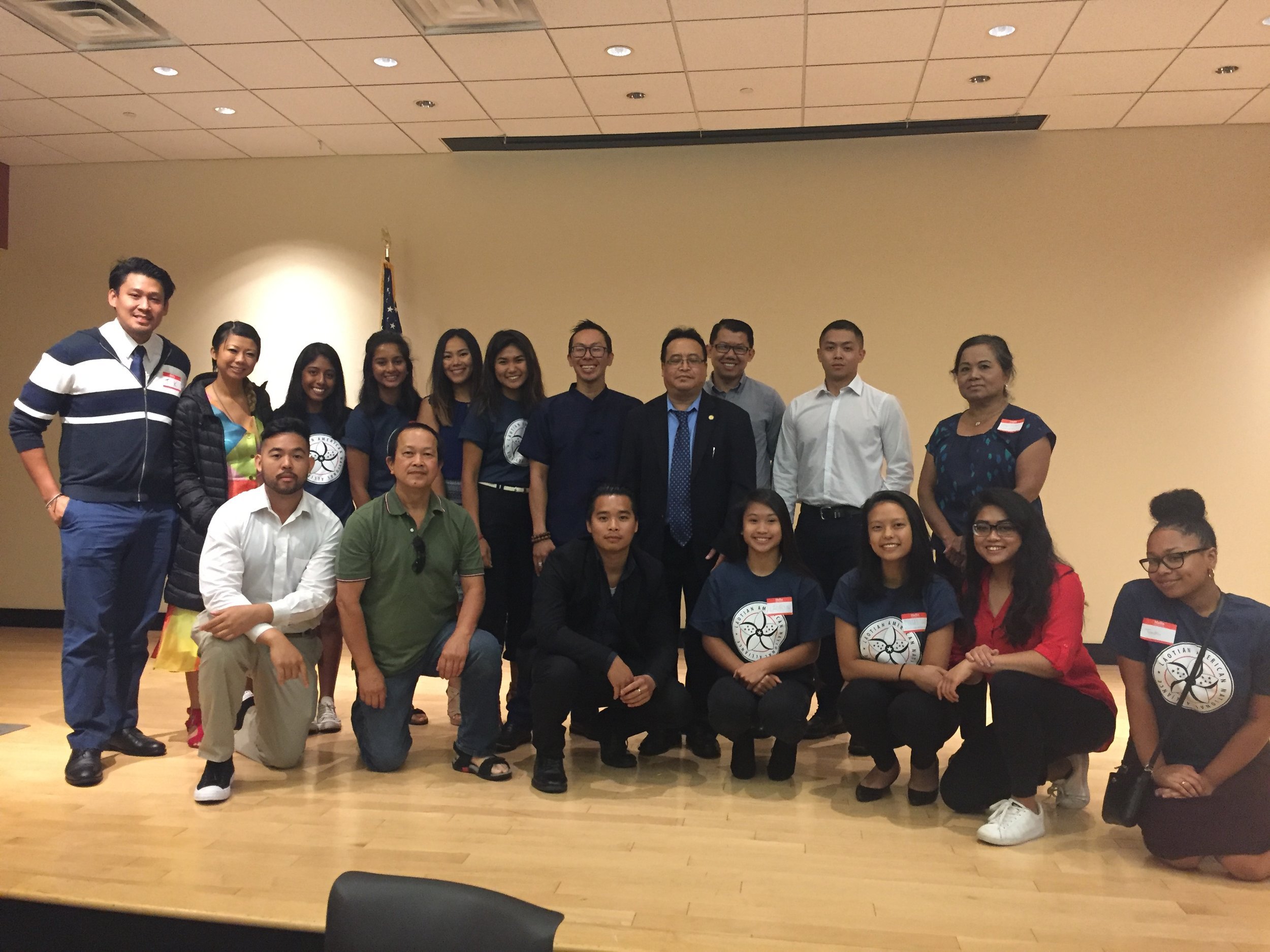
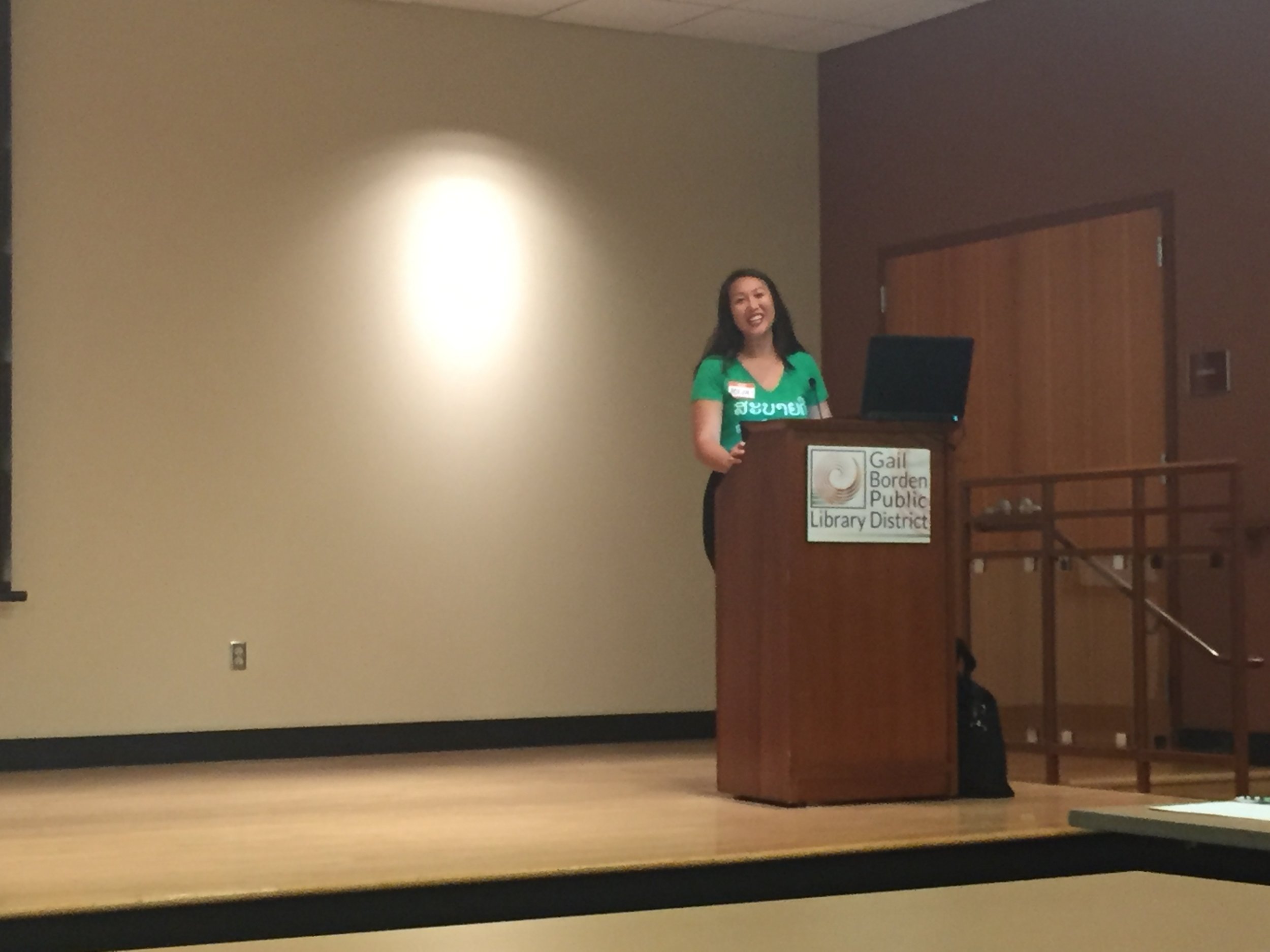
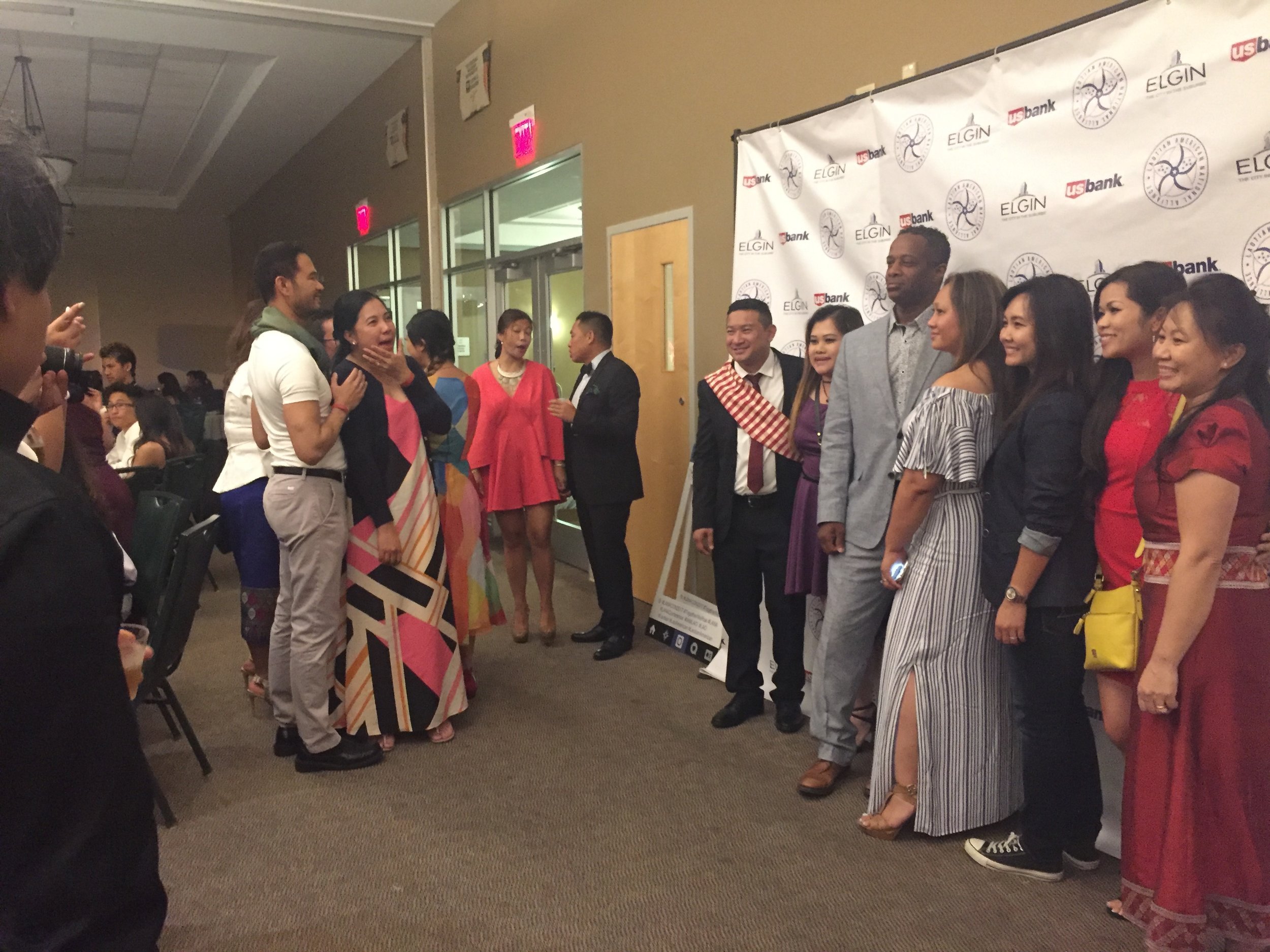
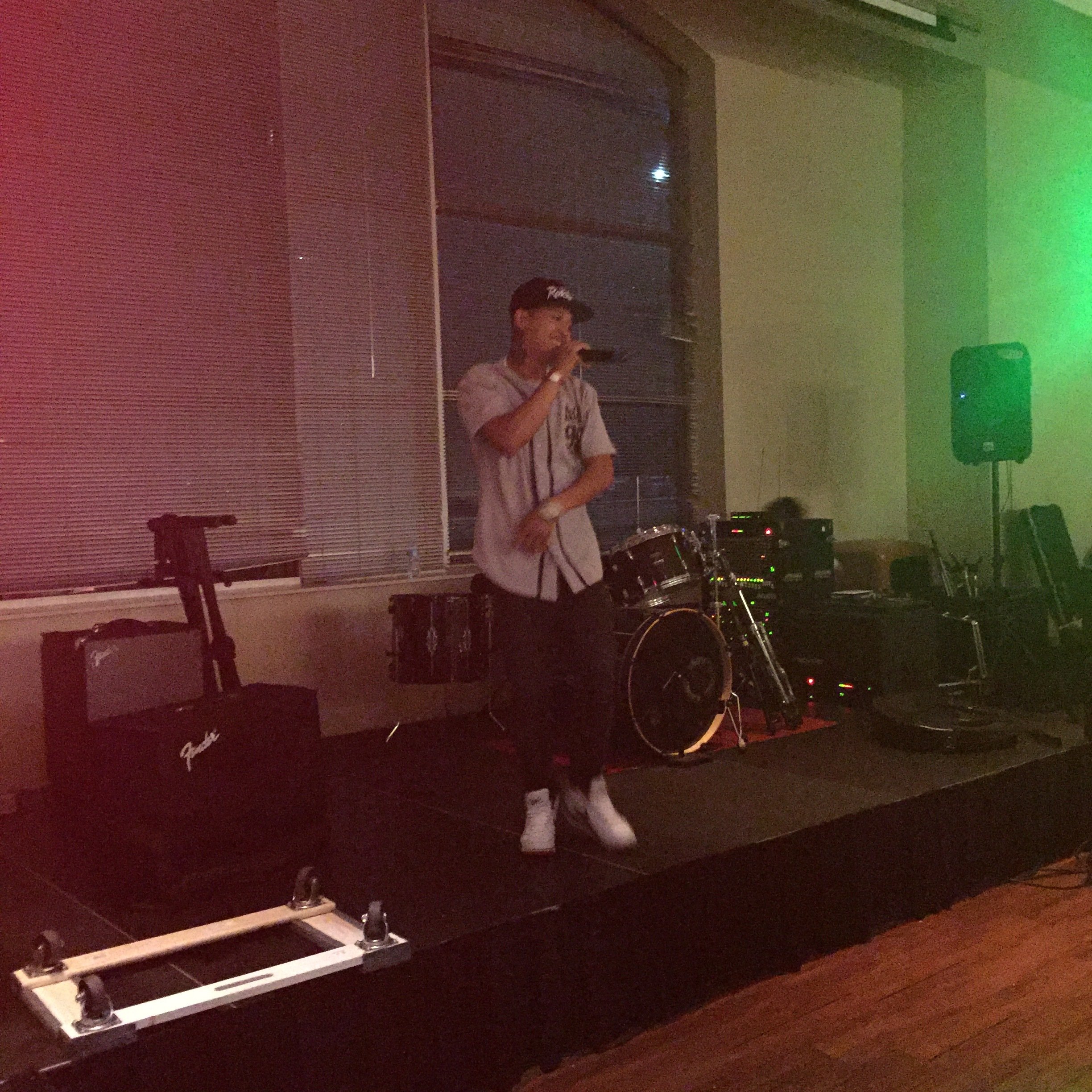
There’s a lot to read in between the lines and breaking down walls that have been set in our culture for years won’t happen overnight. After watching Rita Phetmixay’s moving short documentary, “Phetmixay Means Fighter,” a story that follows her father’s journey from war-torn Laos to the U.S., several people said they were inspired to interview their family members as well. I could hear the passion in the voice of rapper One Hunned as he asked Phetmixay for guidance in pursuing a similar project. However, his biggest issue was his distant relationship with his father. He said they could sit in a room for hours together and not say a word. It’s no easy feat to get someone to open up to you about their past, especially when vulnerability equals weakness in Asian culture.
I think talking about the fact that we don’t talk is a start to a larger conversation. Yes, it’s on the kids to want to be a part of their culture, but it’s also the responsibility of the parents and elders to nurture that desire and provide access to that outlet. I’ve gotten flack for not being able to speak Lao, but at the same time, no one really tried to teach me.
It doesn’t make you a bad parent if you didn’t teach your children Lao. Mine didn’t and I understand my mother’s reasons. She didn’t want to confuse me and wanted me to succeed in the world in which I was raised. However, even if she had tried, I can’t exactly say I would have embraced my Laoness with open arms. Preserving our culture and identity is a two-way street of giving and receiving. I’ve learned to take pride in my differences, as have many others in the community. It’s why we’re here today, holding these camps and conferences, writing about our experiences, and bringing the diaspora together.
For the young ones to step out into the world, they need a weapon. And that weapon is identity.
There are parts of my Lao identify that I love and parts that I don’t. Seeing as that’s the case, we are the generation who will need to move our community forward, past the battle scars, past the unspoken nature of our culture, and past the selfishness that keeps us from looking at the bigger picture.
Opening this dialogue is difficult and there’s a stark difference between the Lao Americans who go to these types of conferences and those who are focused on the present and merely getting by. The generation that fondly refer to themselves as 1.5ers, the ones born in Laos but raised in the U.S. as young children and teens, are the middle ground in this wholly concentrated effort.
Knowing what his mother did to take care of him and his siblings, as well as what it was like to grow up in America, Thavisouk Phrasavath, director of “The Betrayal (Nerakhoon)” and author of “Stepped Out of the Womb,” emphasized that the differences between generations are what brings us together rather than divides us. Learning to listen and compromise helped him connect to his 10-year-old daughter, and rather than investing in new cars or hand bags, he said, we should be investing in future generations.
“[Kids] want love,” Phrasavath said. “They want respect. They want to be able to learn. But also as a parent, you have to be able to transform to the experience. They have to spend time (with them), and tell them the history and culture and say, ‘I want you to take that into your heart, so when you go out there in the big world, you share that with the world.’ That becomes your identity, becomes your significance. That’s what makes you become unique and different—because you’ve got a story to tell. For the young ones to step out into the world, they need a weapon. And that weapon is identity.”