How can I retain my American upbringing while staying true to my Lao roots?
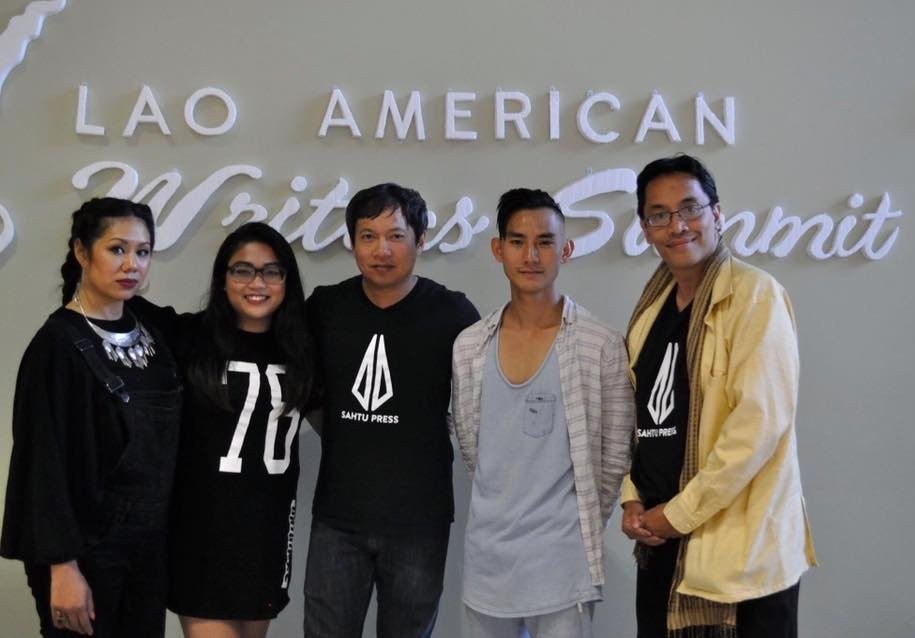
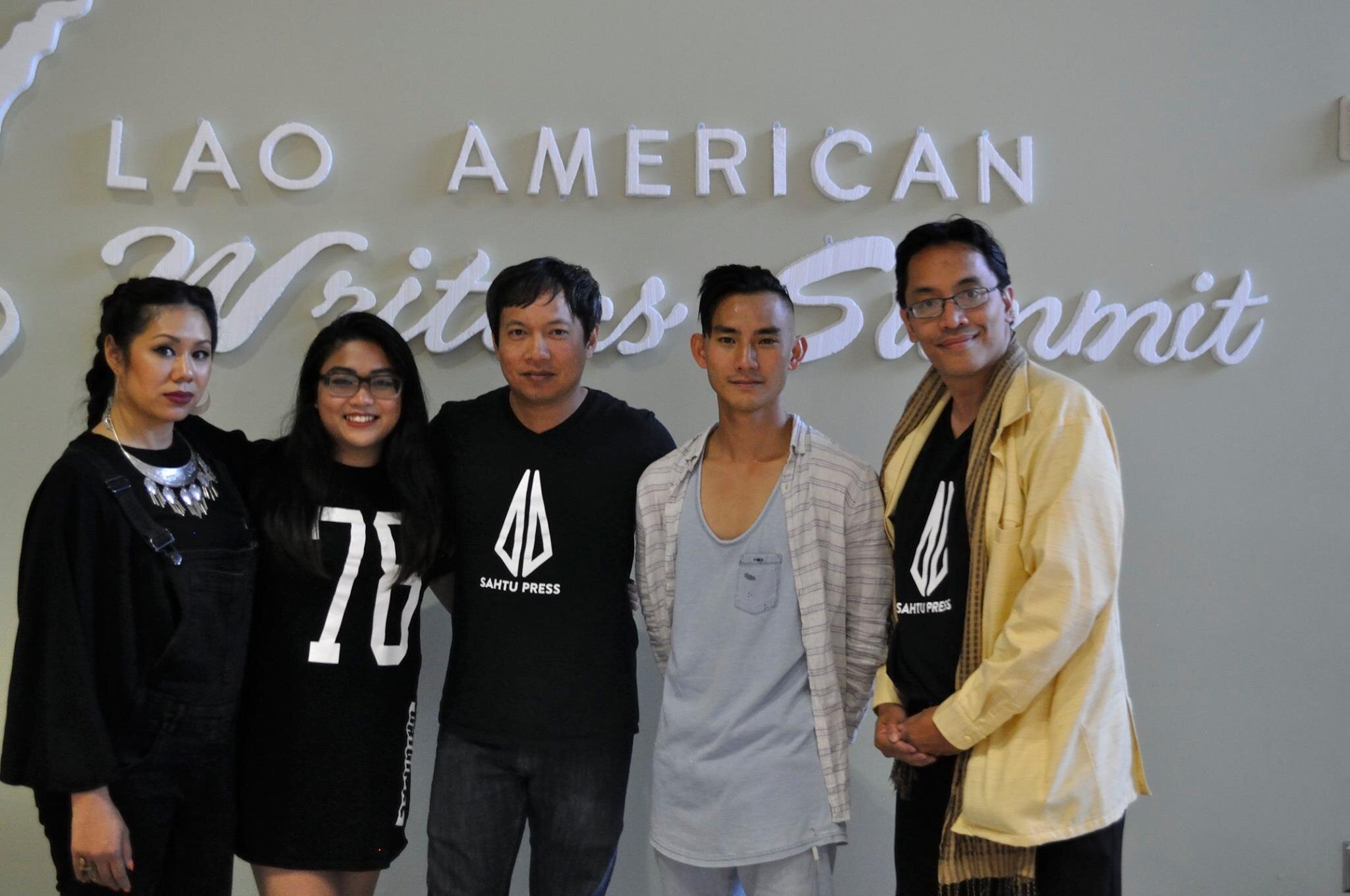
It’s been a few days since more than 350 people gathered in Des Moines, Washington for the fourth national Lao American Writers Summit (LAWS). I’ve had some time now to reflect on my experience and I can honestly say it changed my perspective and outlook. Even after hours of traveling, several flight delays and frantic last-minute arrangements, we still came together to share our talent and work, open a necessary dialogue and bond a scattered community.
LAWS strove to create an inspiring program through the arts, while presenting and practicing the several ways to become a skillful writer. The Lao Writers site stated they hoped “to continue stoking the embers of creative expression in our community through writing and the arts, so we can express ourselves Lao’d and Clear when we engage in our community, society, and the world at large.” It did just that.
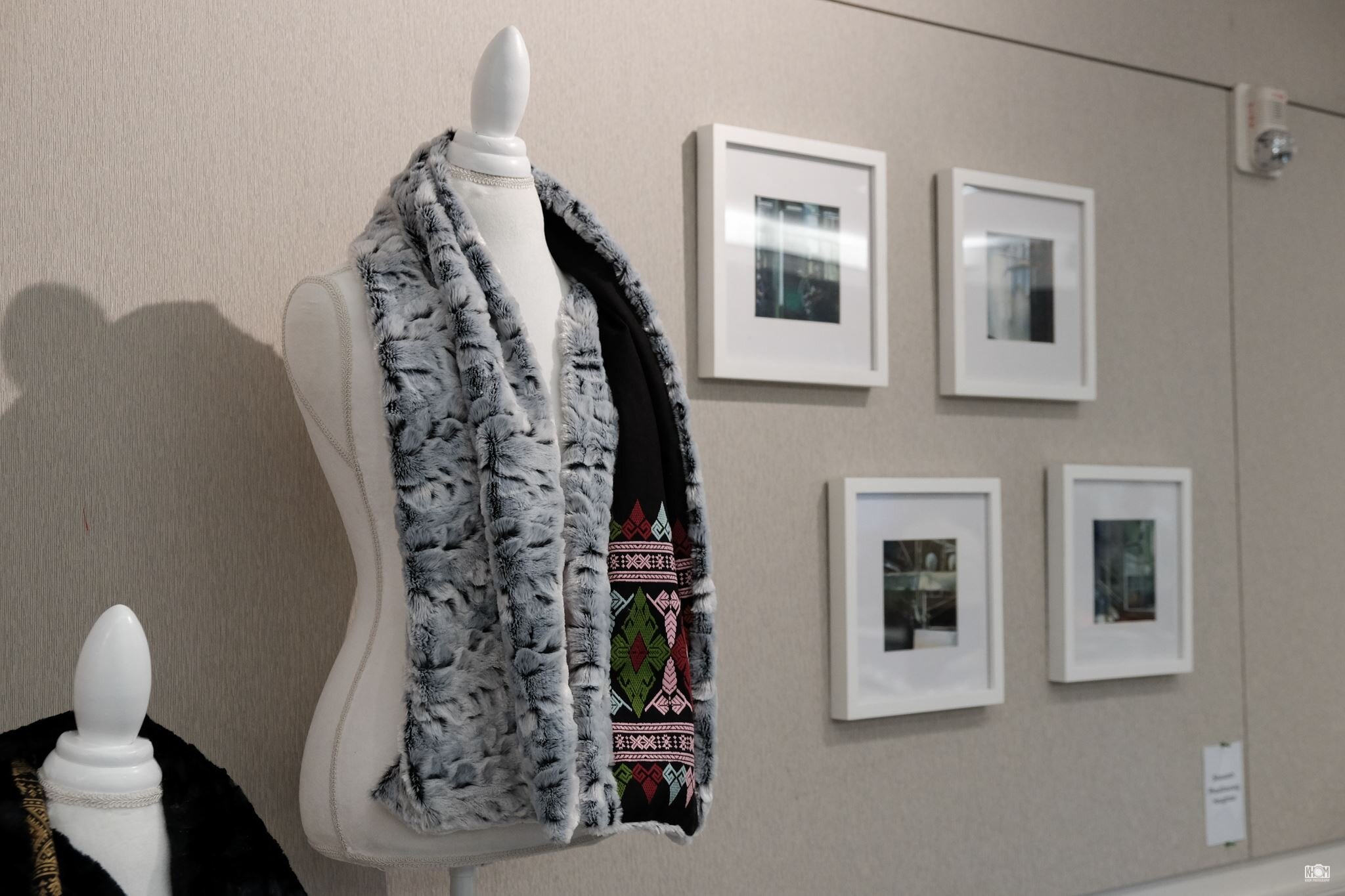
Photo by Dennis Wtpho of Khom Photography
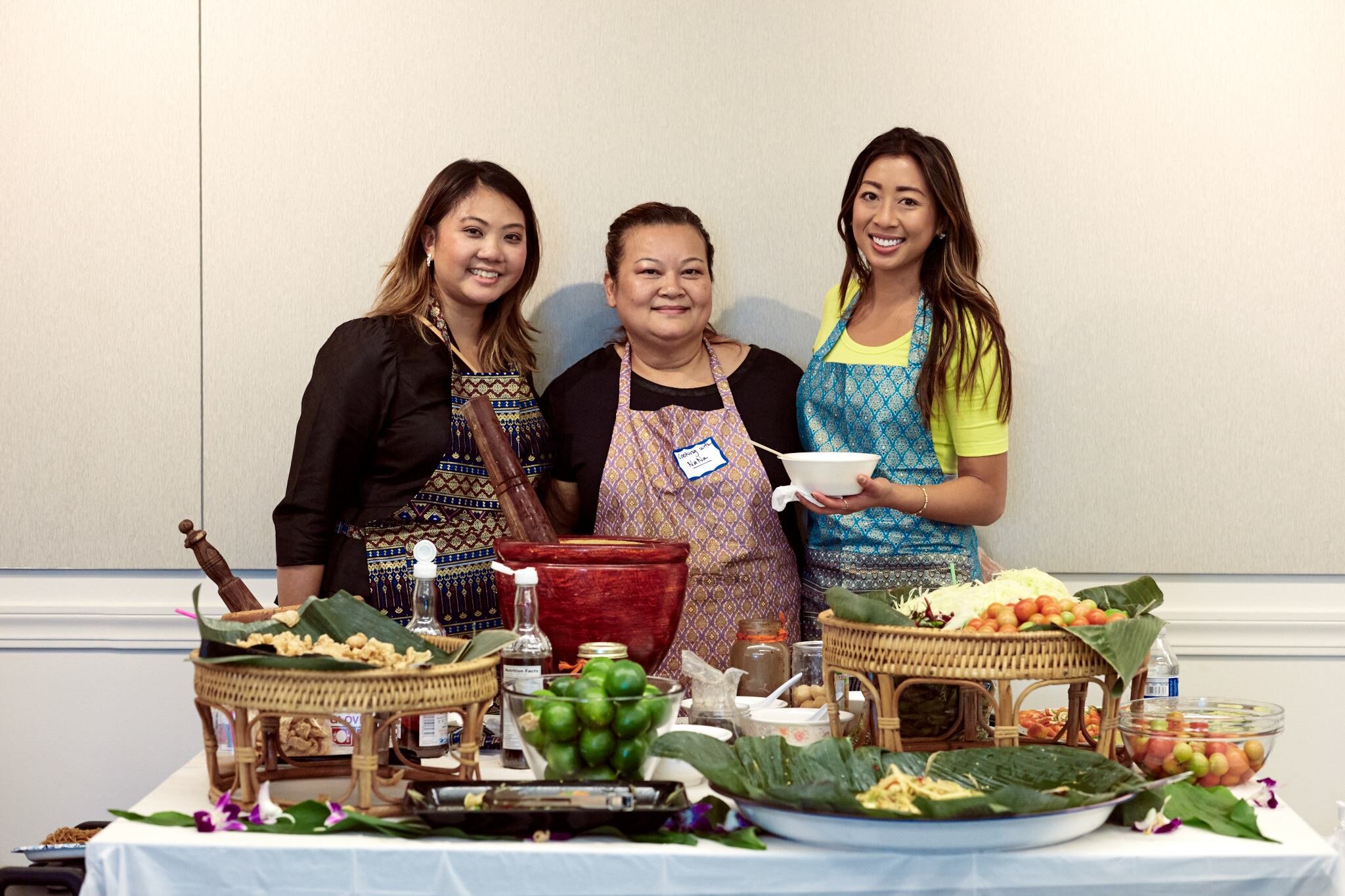
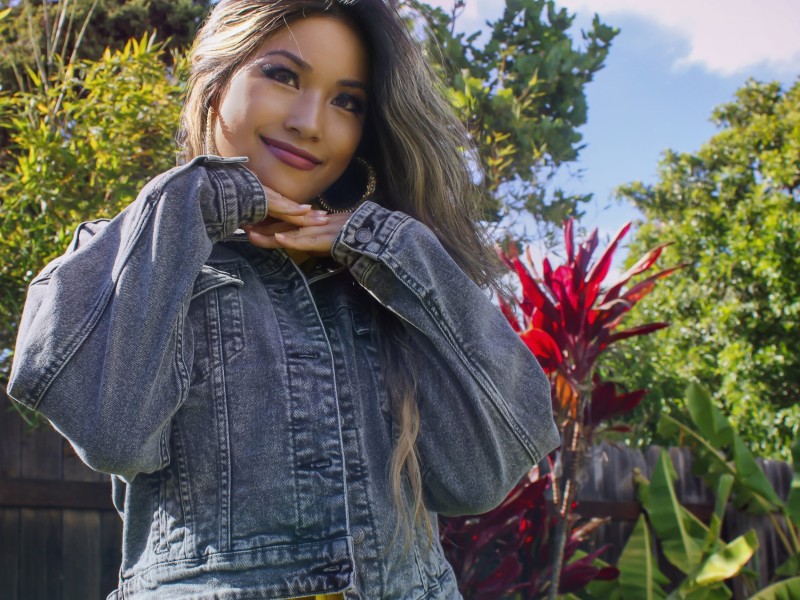
Photo by Snap Pilots
Not only did this summit encourage artistic and creative expression, but it also allowed us to have our first distinctive acknowledgment of the Lao food movement. Food is one of the best ways to unite and bring people together. Even if some of us didn’t grow up learning Lao, I’m sure we all ate laap or thum mak hoong. It was interesting to see iconic figures like Nana Sanavongsay of Cooking with Nana and blended with new-age introductions to Lao cuisine like Christine Tia of House of X Tia and Thip Soulisak of Kohk and Sahk. I may not have been interested in cooking myself before, but I’m eager to search for one of their recipes and share it with my friends.
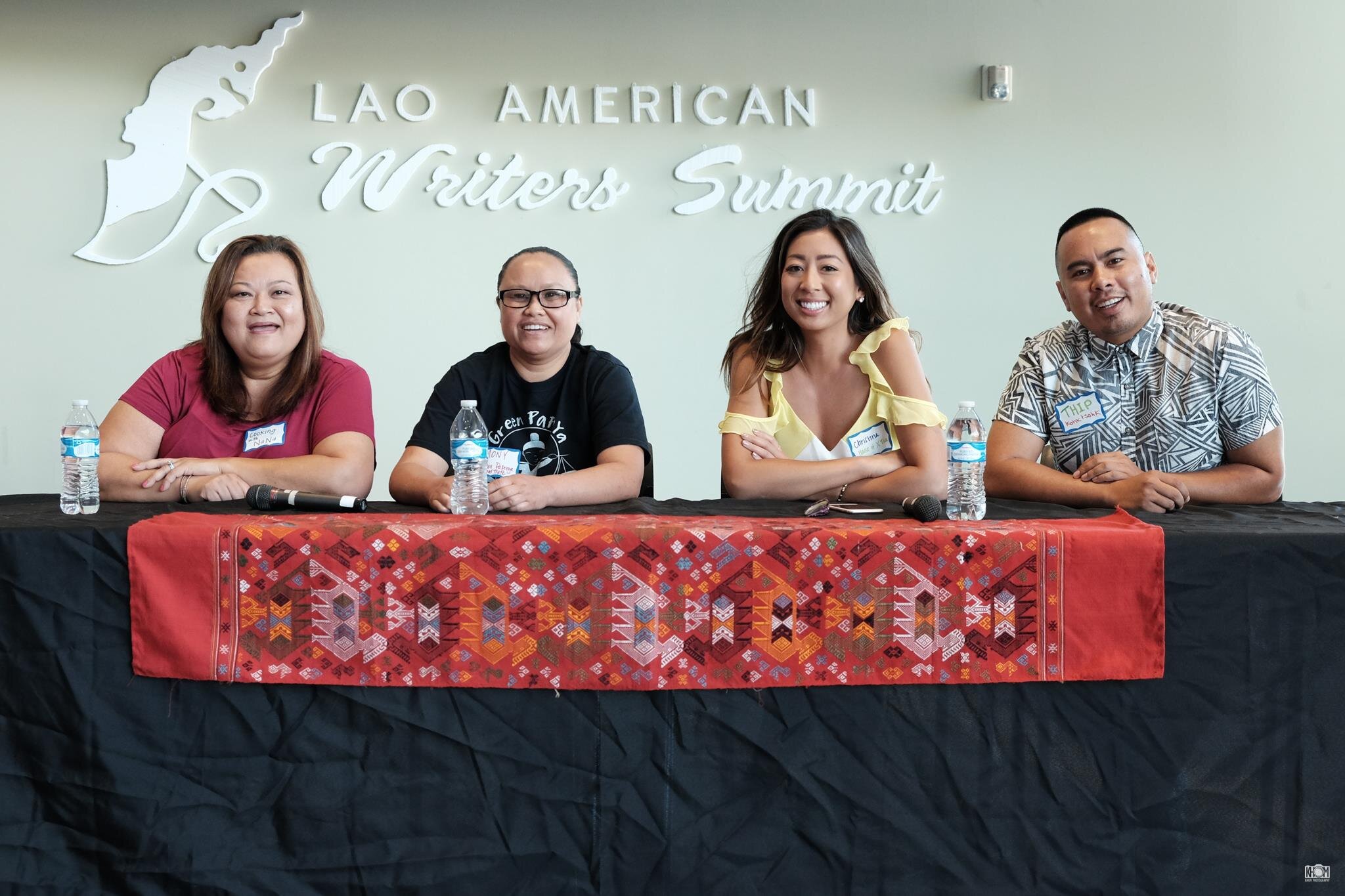
Photo by Dennis Wtpho of Khom Photography
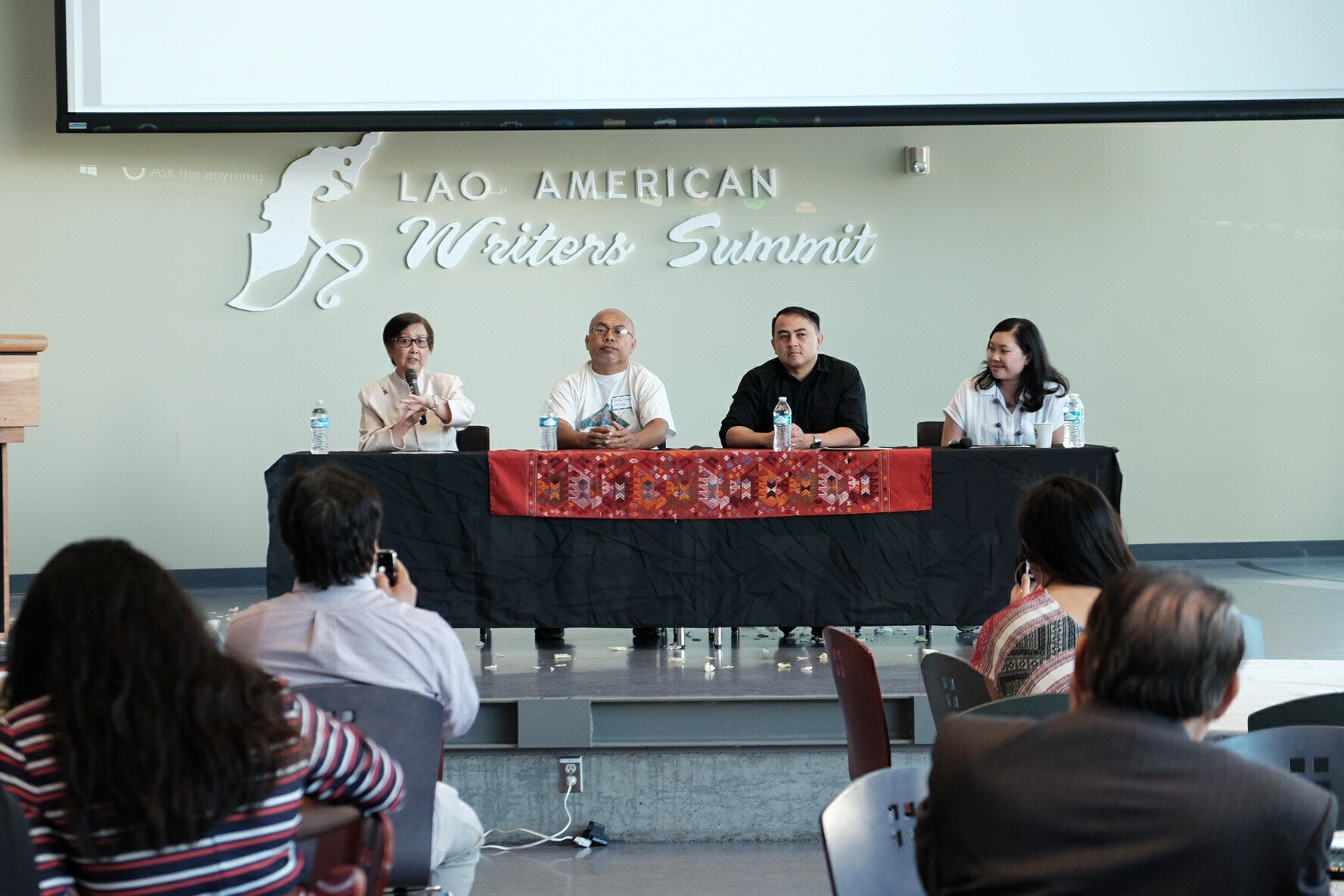
Photo by Dennis Wtpho of Khom Photography
Learning a bit about the history of Lao literature in America was also enlightening. No one seemed to realize that it has had a presence since the 80s on and off, but have adapted to the times with online sites like Little Laos on the Prairie. People like Khaythong Louangamath, writer for Sieng Khaen Magazine from 1987-2000, and Steve Arounsack, former editor-in-chief of Lao Vision Magazine in the 90s, were true trailblazers. If they could do it, who’s to say one of us couldn’t either?
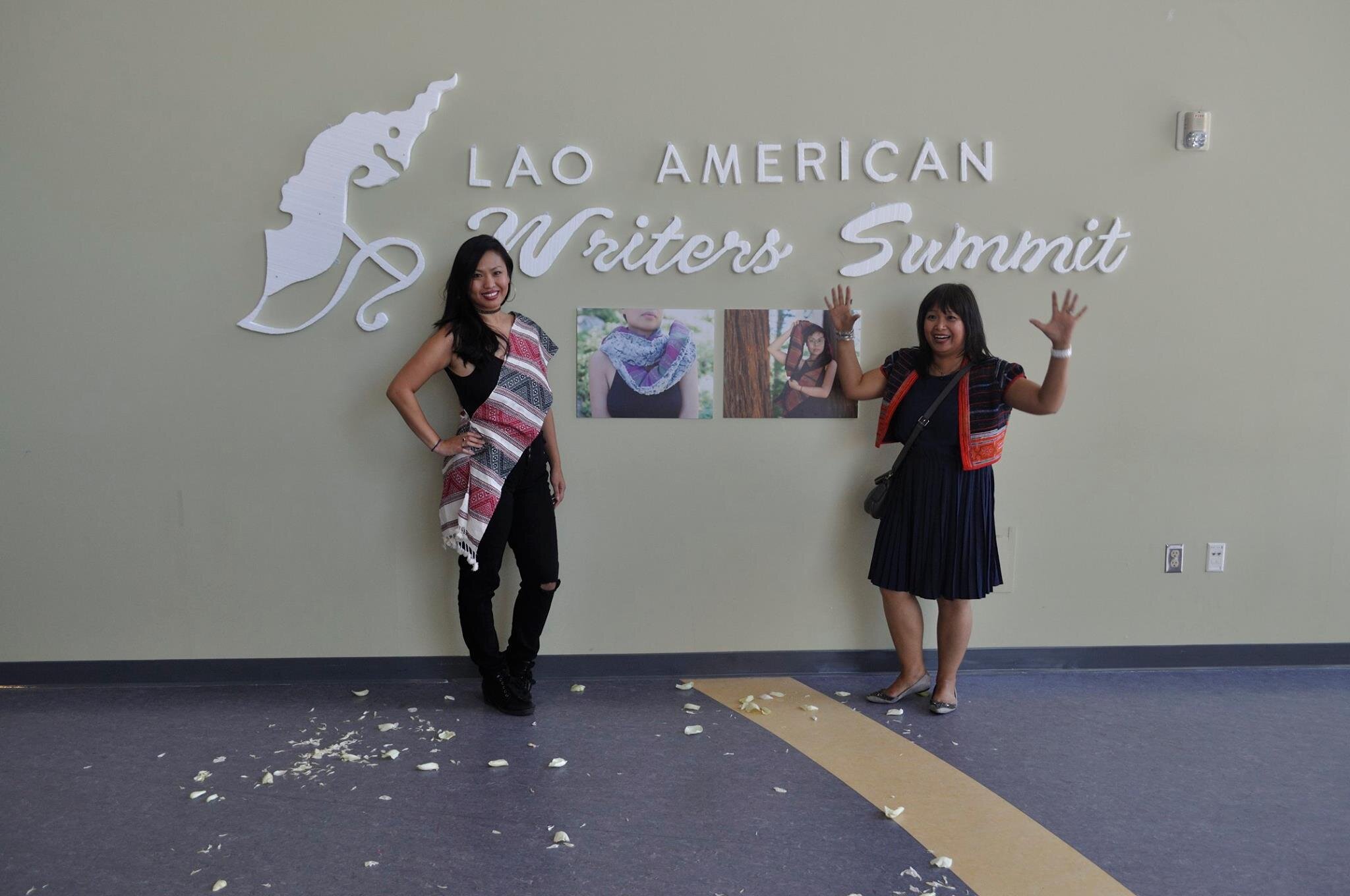
Photo by Bryan Thao Worra
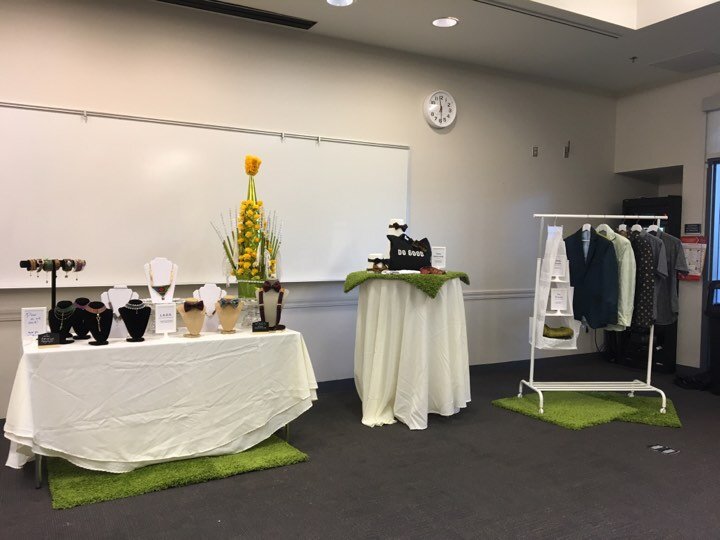
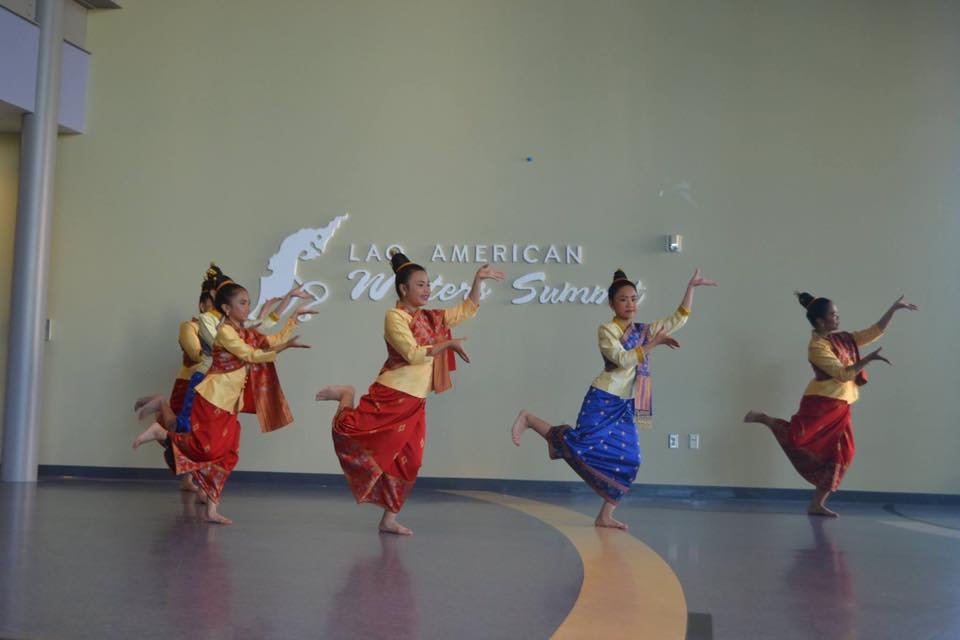
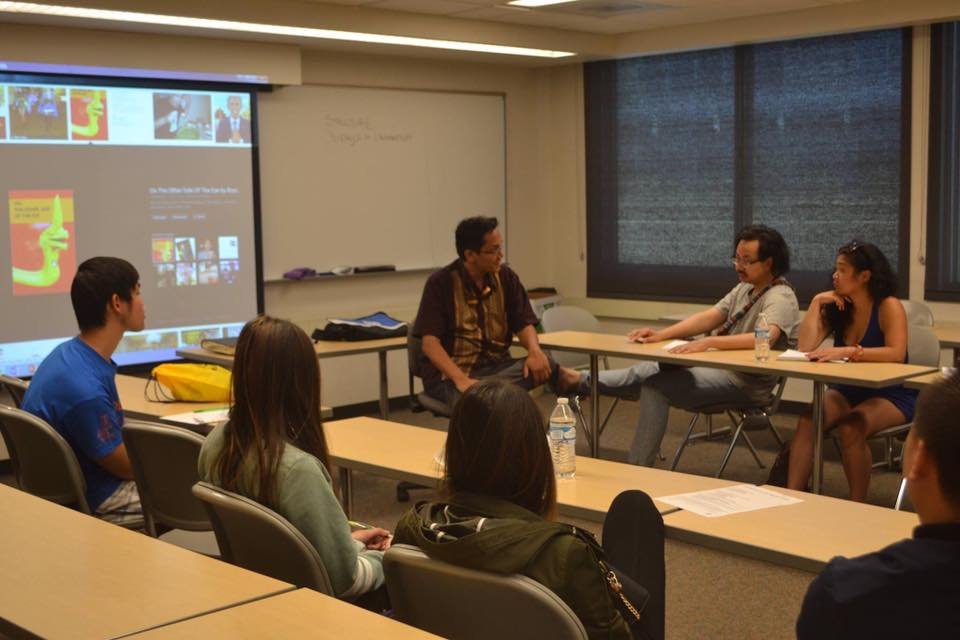
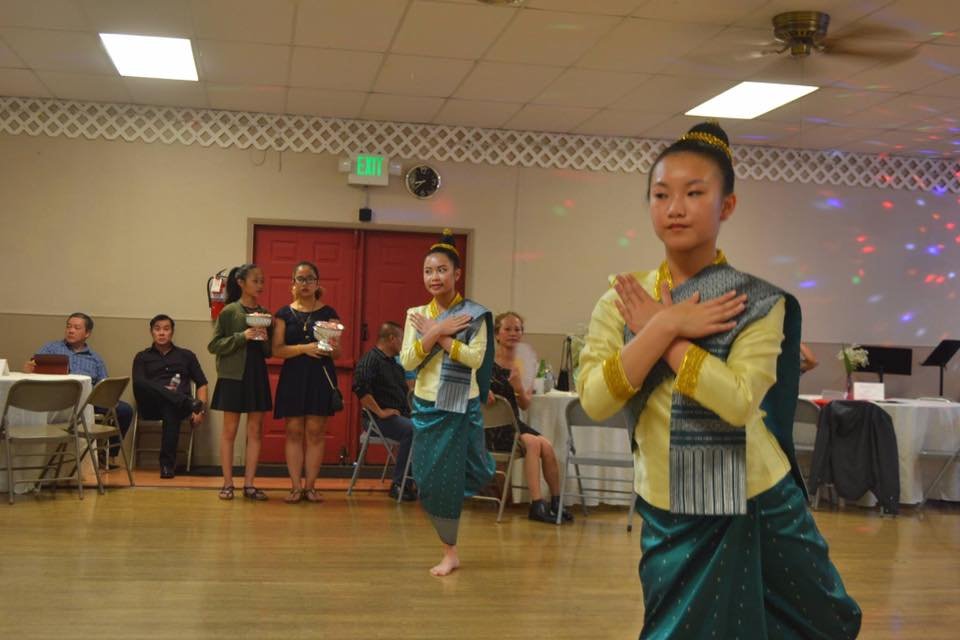
The strong integration of creative spaces and dance and visual arts opportunities helped open up new doors. Seeing the traditional clothes, dance and music brought me back to my youth, when my family was much closer to the Lao community. It was empowering to be in the presence of others like us who connected both younger and older generations alike—the traditional with the contemporary. Kham Sanavongsay of Buatique Shop and Bousa Tatapaporn aka Bousa Concept , for example, embodied this in their collaborative show, which included blended clothing designs and photography. All the workshops, panels, showcases, speakers and performances showed me that there is a way to combine my two selves; it answered the question of "How can I retain my American upbringing while staying true to my Lao roots?"
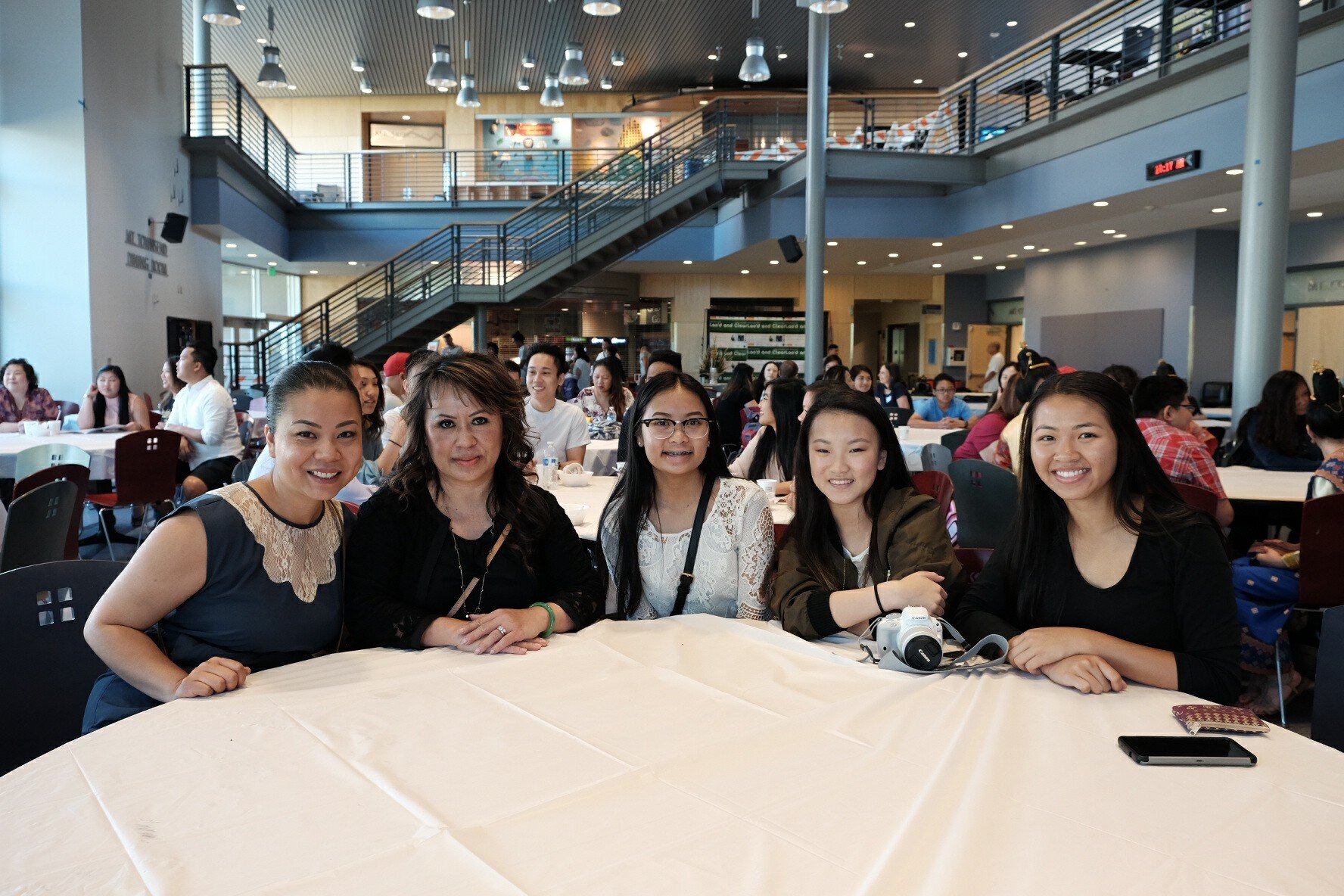
Photo by Dennis Wtpho of Khom Photography
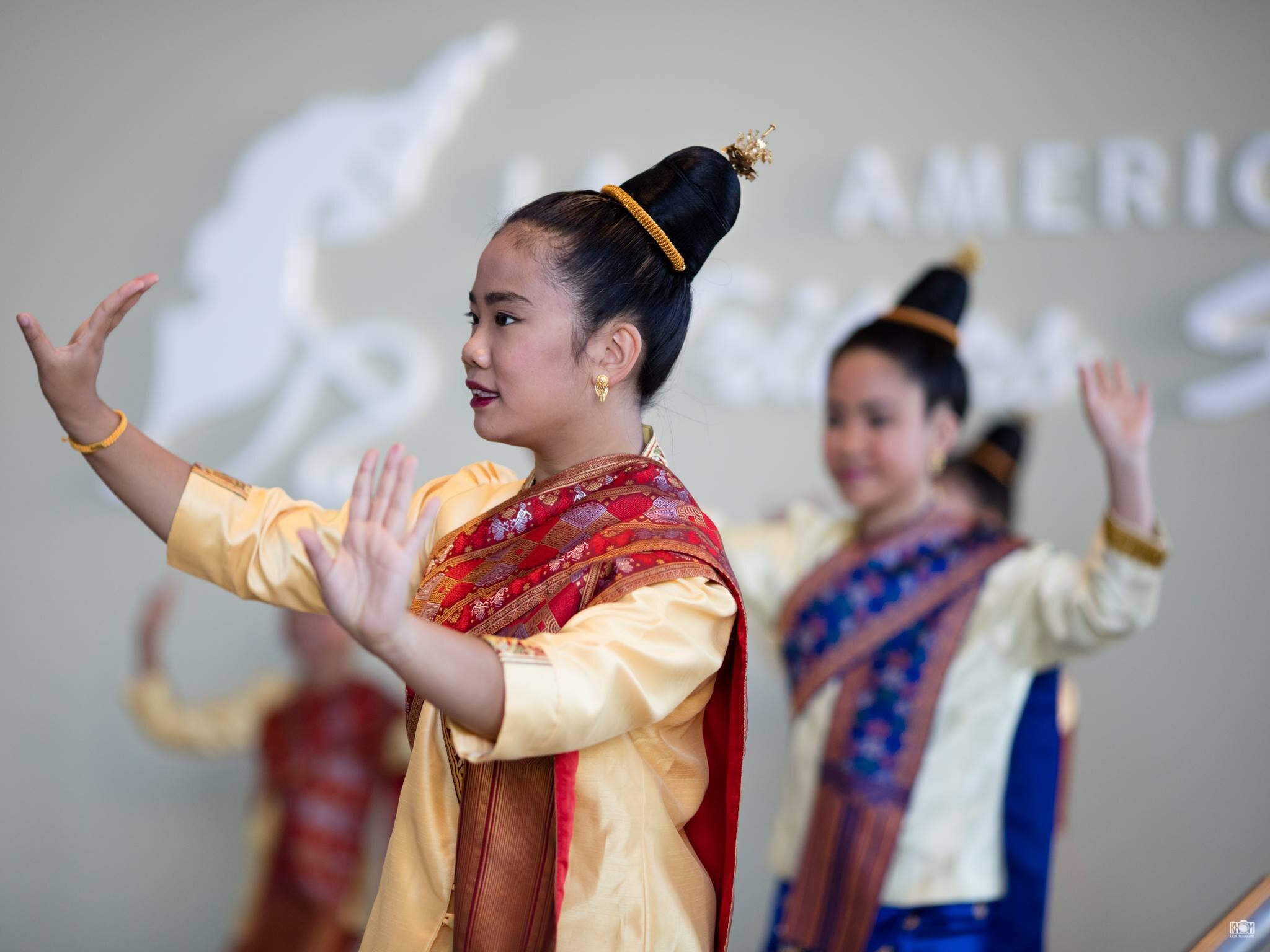
Photo by Dennis Wtpho of Khom Photography
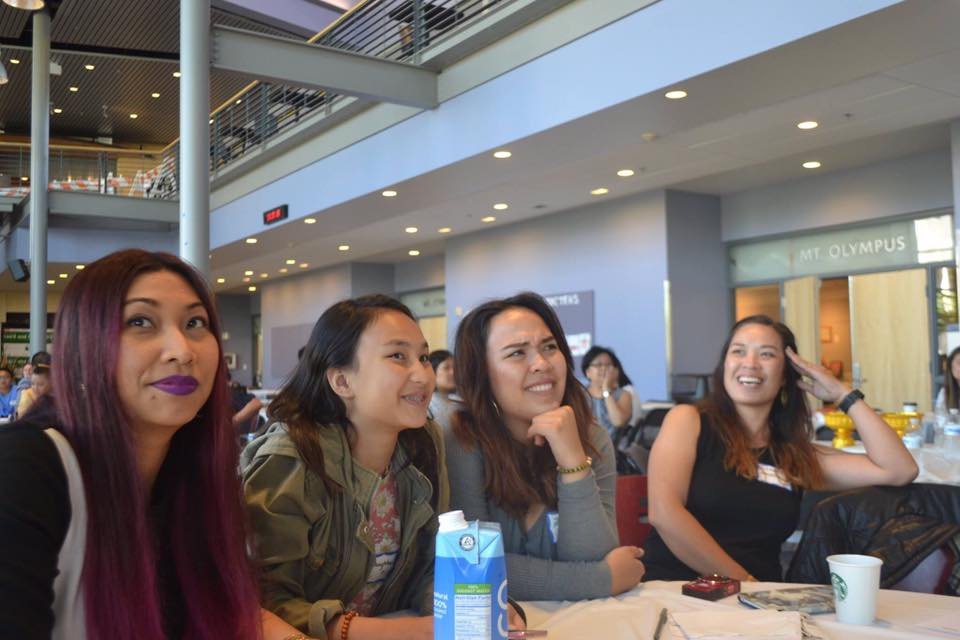
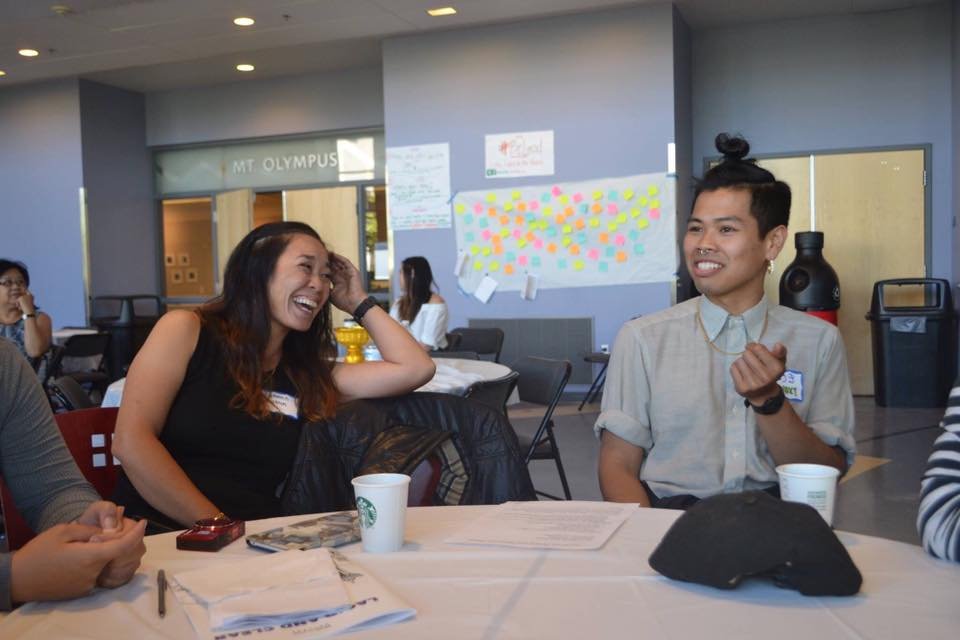
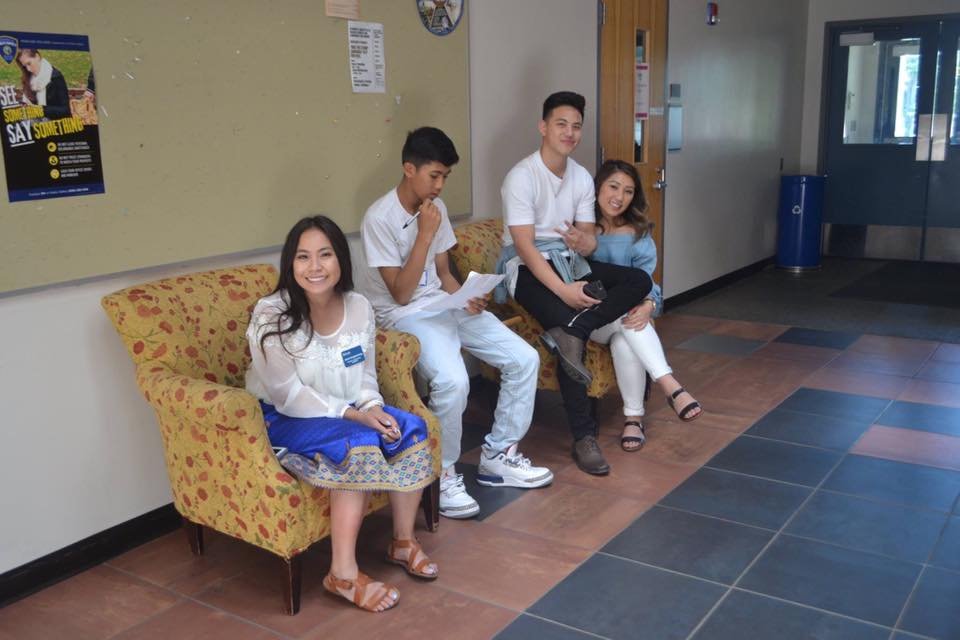
I think the summit helped address this issue for others as well. This was the largest LAWS to date and the strong elder and youth presence solidified it. Everyone had the opportunity to learn something, whether that was through the panels, workshops or even from each other. We’ve never seen such a woven community of Lao American artists and writers before. It’s one thing to show off your work and accomplishments, but it’s another to uplift and support your fellow Lao brothers and sisters. It was a validating experience getting to meet other Lao creators—a community I didn't even know existed. Several people I talked to last weekend said they felt like outsiders in their community, but coming to the summit changed that. We may not always be just down the road, but with the friends and connections we made, we now know that we are never alone.
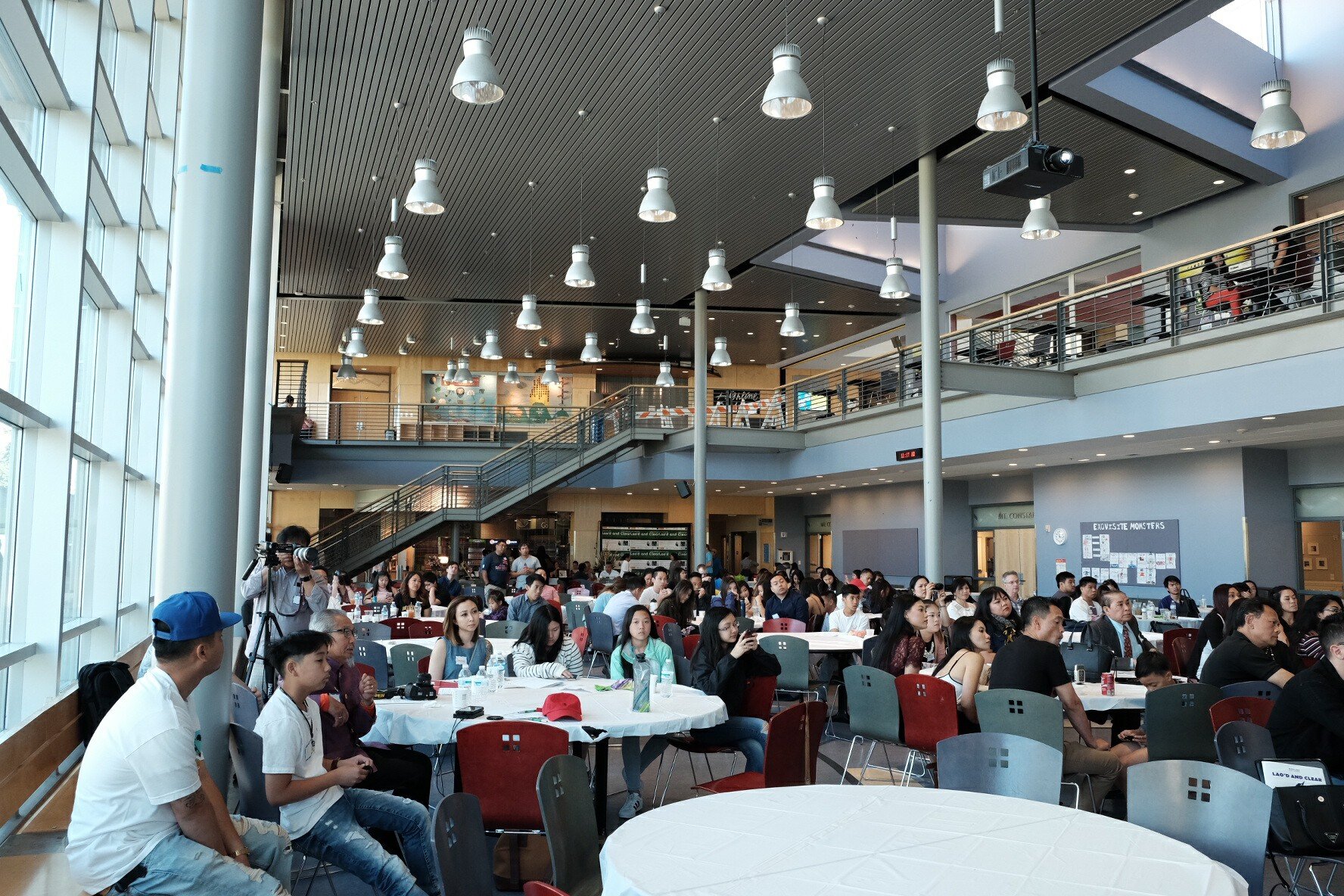
Photo by Dennis Wtpho of Khom Photography
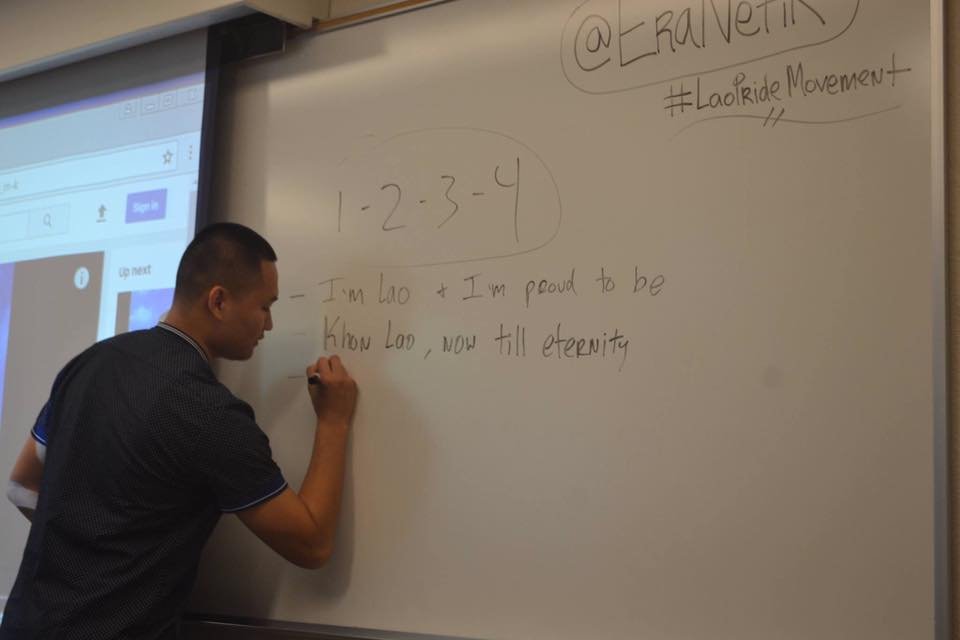
This network helped start a conversation that needed to happen. We examined what holds us back and how we can constantly grow. In one of the workshops I attended, “Getting Lao’d about Intersectionality” with Simon Boonsripaisal, I noticed a disconnect between how we present ourselves through our many different identities. I as a cisgender heterosexual female will not have the same Lao experience as a transgender or queer male, for example. Depending on where I am, I’m either not American enough or not Lao enough. In an attempt to assimilate to the mainstream culture, we stray farther and farther from our roots. Boonsripaisal said nowadays, it really is up to the younger generations to preserve and continue our culture and traditions here in America. I used to never cook with my mother, I never wanted to speak Lao, even to my grandparents, and I wasn’t really interested in why my parents came to America. For the longest time, I sat on the periphery of my heritage, my stubbornness borne from a desire to fit in, yet defy my family at the same time.
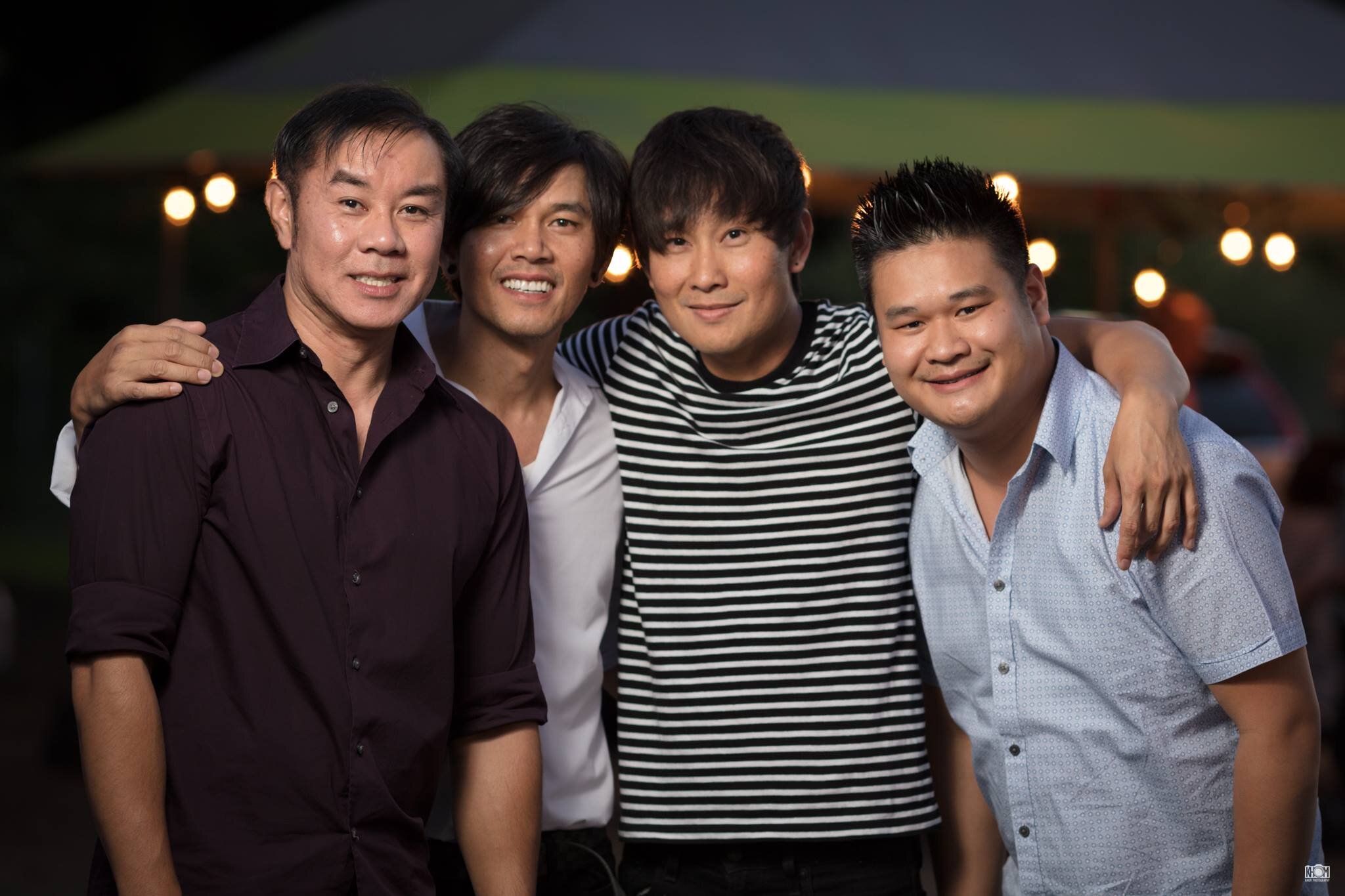
Photo by Dennis Wtpho of Khom Photography
It’s been a slow return to embrace where I came from, but this summit cemented my passion to share and educate others about who I am. About who we are. I’m not saying I know all the answers. This is as much of a learning process for me as it is for others, but I think we’re all riding on the wave of empowerment and inspiration from LAWS. One of the ways we can heal these broken bonds is through discussion. Discussion of our past, present and future. We started that in Washington and we should continue it all over the country.
I’m confident in saying this summit was successful and necessary in bringing together all generations of our community to promote the arts. I only see it improving and growing each year. No matter how long it is until the next LAWS, you can already count me in. Thank you to the Seattle planning committee (Angela Aphayvanh, Ekkarath Sisavatdy, Katherina Vongphrachanh, Kathy Thaviseth, Khanthala Somvilay, Phon Khampradith, and Sakuna Thongchanh), the Asian American Native American Pacific Islander Serving Institution (AANAPISI), Lao Community Service Center of WA (LCSC), Kinnaly Lao Traditional Music and Dance Troupe, Pom Foundation, and everyone else who made this event a possibility. And what a way to wind down the event by the closing reception hosted by LCSC with a perfect night ending performance of "Hao Pen Khon Lao" by Sarky Mekmorakoth and the Green Room. To every Lao artist, creator and writer out there, thank you for following your passions and taking ownership of yourself. We hope to see you at the next one! I hear you all, now and in the future, Lao’d and Clear.
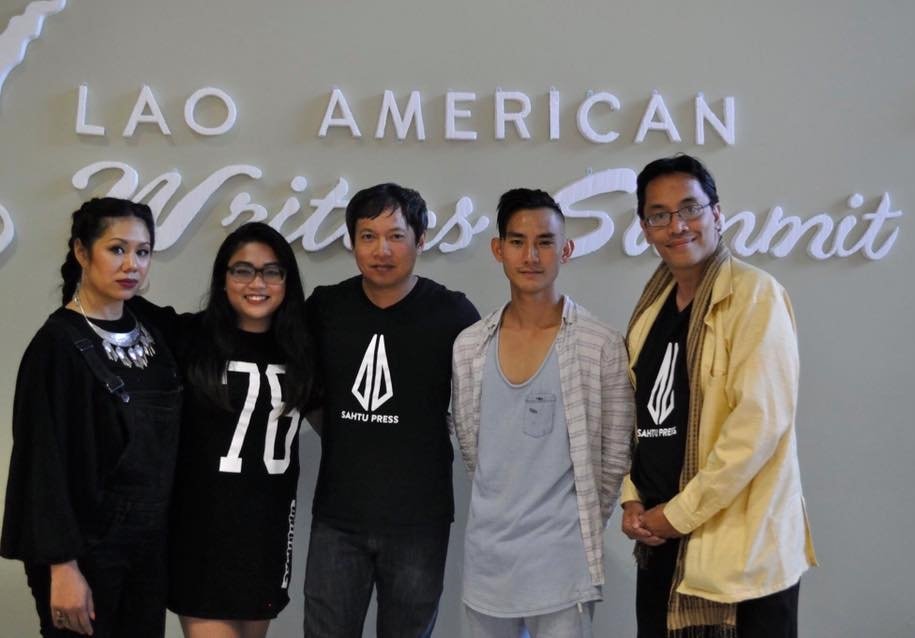
Special thank you to:
- Catzie Vilayphonh for the recap video
- Nophadone Phongsavath for LAWS flier
- Rocky Langsy for "Lao'd and Clear" T-shirts
- Khom Photography for event photos
- Snap Pilots for profile photos
- Local volunteers for their untiring support to set up and break down exhibits.